

Johan Karlsson


How the lighthouse became economics’ favourite example of a public good...
Economists used the lighthouse to show markets can't supply public goods. Coase found private lights paid for by port dues. They were state-enforced monopolies.

The science of loneliness: why isolation is killing people and what...
Strong social ties go with 50% higher odds of survival. How loneliness harms the body, what the trends show, and why governments treat it as private misfortune.

Why rivers make poor borders — and why we keep using...
Rivers mark nearly a quarter of the world's inland international borders. They also move, flood, and feed both banks — which is why river borders keep turning into disputes that last for generations.
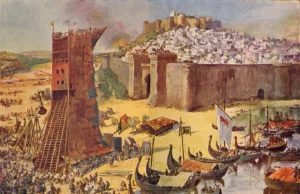
The science of strategic starvation: how food has been weaponized throughout...
From Caesar's siege lines at Alesia to the burned farmland around El-Fasher, starvation has been one of war's oldest and most effective weapons. How hunger has been used — and why the law built to stop it so rarely bites.

How a handful of seed banks are the last line against...
The Svalbard vault and a few genebanks hold the crop diversity that monoculture threw away. From Ireland's Lumper to the Cavendish banana now under attack by TR4, here is what the backups can do, what they can't, and who pays for them.
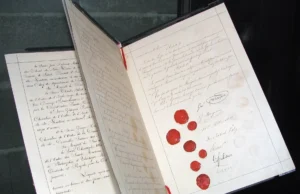
How the Geneva Conventions actually work in practice — versus in...
196 states have ratified the Geneva Conventions, yet violations are routine in more than 120 armed conflicts. Follow the enforcement machinery to see why.

How refrigeration changed the geopolitical map more than any 20th century...
In 1882 a sailing ship carried frozen mutton from New Zealand to London. The trade it opened decided what whole countries would produce, and who would feed whom, more durably than any of the century’s wars.

The countries that chose autocracy democratically
From the Enabling Act of 1933 to Orbán's Hungary, democracies rarely die in a coup. They are dismantled step by legal step by leaders who keep winning elections — until, sometimes, they don't.
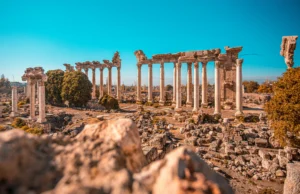
How empires die: the economic signals that come before the fall
Rome, the Ottomans, Britain and the Soviet Union all showed the same economic warning signs decades before they fell: debased money, unaffordable frontiers, untaxed elites, hired armies and reforms nobody could implement.