

Ingrid Dahl


The moral mind: why your ethical intuitions are less reliable than...
Most moral verdicts arrive as gut feelings, with the reasons recruited afterward. Here is what moral psychology has learned about where those intuitions mislead us — from trolley problems to the identified-victim effect — and how to correct for it.

Why so many published studies are wrong — and what science...
Ego depletion, power posing, elderly priming: famous psychology findings collapsed when rerun. How incentives breed false positives, and which reforms help.
The biology of risk-taking: why teenagers, traders, and soldiers make the...
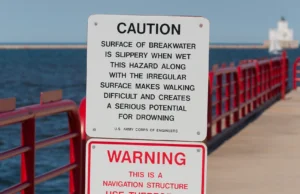
Teenagers with an audience, traders on a winning streak and sailors under fire fail in similar ways, and the fixes that work are built into systems.
What happens to your body when you are chronically stressed: the...
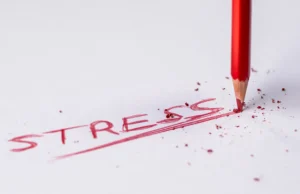
Low-grade civil servants in Whitehall died at three times the rate of their bosses, and smoking, cholesterol and blood pressure explained only a fraction of it. Here is how chronic stress, and above all a lack of control, works its way into the arteries, the immune system, the brain and even our chromosomes.

Why the brain finds uncertainty more painful than bad news
In a London lab, people were more stressed facing a 50/50 chance of an electric shock than a certain one. The finding reveals what the stress response really tracks — and why modern life, with its endless open questions, keeps it switched on.

The science of habit: why willpower doesn’t work and what does
Close to half of what we do runs on habit, cued by context. Ego depletion largely failed to replicate; if-then plans and redesigned spaces change behavior.

How the internet changed the economics of attention — and everything...
Craigslist made newspapers' scarcity worthless. How value moved from content makers to the platforms that organize attention, and why regulators miss the machine.

Why educated people believe things that are not true
Motivated-numeracy experiments, Tetlock's forecasters and psychology's replication crisis show how intelligence and expertise help people defend false beliefs.

The last peoples with no contact with the outside world —...
India guards North Sentinel Island; Brazil tracks more than 100 isolated groups under a no-contact policy. Nobody has asked the people concerned — and miners and missionaries are not waiting for an answer.

The science of why you can’t trust your own memory
A rape victim was certain, and an innocent man lost a decade. Memory research explains why: recall can rebuild a memory, and confidence can outrun accuracy.