Last updated: · 19 min read
In brief
On 19 September 2026, health workers in Bunia, in north-eastern Congo, began receiving an Ebola vaccine built against a different Ebola virus. The virus spreading through Ituri is Bundibugyo, which has no licensed vaccine and had killed 4,687 people by 20 October. Ervebo, made for the Zaire strain, produces antibodies that recognise Bundibugyo, more weakly, and helped monkeys survive it. Nobody knows if it protects people. In one hospital cluster, three vaccinated health workers survived and five unvaccinated ones died, a tiny, unconfirmed signal. A ring trial that began on 23 October could give the first clear answer.
Contents
A shot with no number attached
On Saturday 19 September 2026, health workers in Bunia, the capital of Ituri province in north-eastern Congo, began receiving an Ebola vaccine called Ervebo. It had been developed against the Zaire strain of Ebola. The virus spreading through Ituri was a different one, called Bundibugyo. The same day, at a WHO-run training centre for health workers in the town, Médecins Sans Frontières (MSF) and Epicentre, its epidemiological research centre, launched a study called BRAVO. Over nine to 12 months it aims to vaccinate 20,000 frontline workers in Ituri and North Kivu and follow each of them for at least six months, to see what the vaccine does for them.
A Congolese doctor, Jeannot Elua, described the position of health workers at the rollout to the Associated Press. “We healthcare workers don’t really have a choice. We are going to receive it,” he said. Some people there, he added, had “already received the previous vaccine”. MSF, for its part, stresses that taking part in BRAVO is entirely voluntary and that the shot does not replace the infection-control measures health workers already rely on.
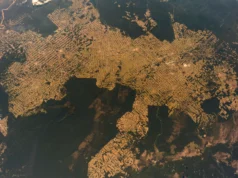
The outbreak was declared on 15 May 2026 in Ituri. By 20 October, 9,704 cases had been confirmed in the Democratic Republic of the Congo, and 4,687 of those people had died, in 66 health zones across eight provinces. Two weeks earlier, on 6 October, the count had stood at 8,728 cases and 4,205 deaths. It is the largest Ebola outbreak in Congo’s history, whichever species of virus is counted, and the largest outbreak of Bundibugyo virus ever recorded. It is the second-largest Ebola outbreak on record. Only West Africa’s epidemic of 2014 to 2016, in which more than 28,600 people were infected and 11,325 died, was bigger.
No vaccine and no specific treatment is licensed for Bundibugyo. The vaccine in Bunia is licensed against a related virus, and it had been going into frontline workers’ arms since late August.
That leaves the people running the response with two questions: what a vaccine built for one virus can do against another, and how to decide whether to use it before anyone knows. WHO’s answer to the first is plain. There is not enough evidence, it says, to determine whether Ervebo protects people against Bundibugyo disease, or to put a figure on any protection it might give.
One name, several viruses
Ebola disease is caused by a group of related viruses called orthoebolaviruses. Six species have been identified. Four are known to make people ill, and three cause large outbreaks: Ebola virus, formerly called Zaire ebolavirus; Sudan virus; and Bundibugyo virus. The first two were first recorded in 1976, in simultaneous outbreaks at Nzara, in what is now South Sudan, and at Yambuku, in what is now the DRC. Bundibugyo was identified only in 2007, in the Bundibugyo district of western Uganda.
Before 2026 it had caused two outbreaks. The Ugandan one, which ended in February 2008, had 56 laboratory-confirmed cases, of whom about 40% died; WHO and Uganda’s health ministry give different totals once unconfirmed cases are added. In 2012, around Isiro in the DRC, 62 people were counted as cases and 34 of them died. Those are small numbers by the standards of the Zaire virus.
The licensed vaccines were built against the virus that caused the big outbreaks. Ervebo, the only licensed vaccine WHO has prequalified for Ebola, is approved to prevent disease caused by Zaire ebolavirus. A second vaccine, Zabdeno, which is registered in Nigeria, also carries the Zaire virus’s protein. The two antibody treatments WHO recommends are for Ebola virus disease too; for Bundibugyo and Sudan virus disease there are no approved drugs.
Scientists had mapped the gap long before 2026. In 2011 a team testing a Zaire-based vaccine on monkeys described the prevailing view: the data then available supported the hypothesis that a vaccine containing antigen from one species protects only against that species. By December 2013 an experimental vaccine of the same design, this time carrying Bundibugyo’s own surface protein, had protected all three macaques given it against a Bundibugyo challenge. On 28 May 2026 experts convened by WHO named IAVI’s single-dose candidate, built on the same platform, the most promising Bundibugyo vaccine in the pipeline; it had protected monkeys but had never been given to a person. CEPI, the coalition that funds vaccines against epidemic threats, had already paid for animal studies and work on multi-virus designs for several filoviruses, Bundibugyo included. Yet when this outbreak was declared, no Bundibugyo vaccine was at an advanced stage of development and none was in clinical trials.
CEPI’s explanation is economic. Bundibugyo outbreaks are rare and sporadic, it argues, so they create no predictable market; manufacturers face uncertain demand, no guaranteed buyers and no commercial return, and so they don’t invest. The available record does not show why the 2013 results went no further than monkeys, or who decided.
What the vaccine shows the immune system
Ervebo is one virus dressed in the coat of another. Its backbone is vesicular stomatitis virus, engineered to carry the gene for a single protein from the Zaire virus: the glycoprotein on its surface, which the virus uses to enter cells and which the immune system learns to recognise. Bundibugyo has its own glycoprotein, related to Zaire’s but different in its details. The question is how far an immune system trained on one version recognises the other, and the evidence comes in steps that measure different things.
The oldest step is the 2011 team’s own test of its hypothesis. The researchers gave four cynomolgus macaques a single dose of an experimental vaccine of the type later licensed as Ervebo, then exposed them to Bundibugyo virus 28 days later. Three of the four survived; of four unvaccinated animals, one did. Every animal fell ill, and every vaccinated animal had virus in its blood. The authors called the result partial cross-protection: the vaccine helped the monkeys survive, but it did not keep them from getting sick.
Human evidence comes from blood samples. Serum from 179 people vaccinated in West Africa between 2018 and 2020, with Ervebo or with the Zabdeno and Mvabea regimen, contained antibodies that recognised Bundibugyo’s glycoprotein, more weakly than they recognised Zaire’s; the researchers stress that this does not prove protection. In the DRC, a study that followed 1,081 people vaccinated with Ervebo during earlier outbreaks found antibodies binding Bundibugyo’s glycoprotein in about half of those tested in Beni, North Kivu, three weeks and six months after the shot, against one in ten before it. In Mbandaka the pattern was markedly different: little change for months, then a rise more than two years later. A team at the German Primate Center went a step further and tested whether antibodies from vaccinated people could stop particles carrying the current variant’s surface protein from entering cells. Most samples could, less efficiently than they stopped Zaire’s, and the lead author says the result must be confirmed with infectious Bundibugyo virus.
Binding, blocking, protecting

Immune studies of a vaccine can measure three different things, and they are easy to run together. A binding test asks only whether antibodies in a blood sample stick to a viral protein; the Beni and Mbandaka results are of this kind. A neutralisation test asks whether the antibodies stop something entering a cell. The German Primate Center used pseudoviruses, harmless laboratory particles built to carry the Bundibugyo glycoprotein on their surface in place of the real virus. Protection is a third thing, visible only when an infected body survives or stays well, and the 2011 monkeys showed that it can be partial. Linking the first two measurements to the third requires a correlate of protection: a measurable immune response, such as an antibody level, shown to track the risk of falling ill. For Bundibugyo none has been defined, and cross-protection has not appeared consistently across experimental models. Until one is, the only way to measure protection is to compare how often vaccinated and unvaccinated people fall ill.
What nobody has is the bridge from those laboratory results to a person who does or does not get sick. WHO summarised the state of knowledge in August: it is not known whether Ervebo protects people against Bundibugyo, though early laboratory and animal data suggest it may provide some protection.
Against its own target, Ervebo’s record is strong, with a condition attached. During the 2018–20 epidemic in eastern DRC, a peer-reviewed analysis estimated its effectiveness at 84% (95% credible interval 70 to 92) in people vaccinated at least ten days before they fell ill. The condition is part of the number: protection against the Zaire virus takes 10 to 14 days to build. For Bundibugyo there is no number at all.
Found late, in a mining town
A vaccine given to the contacts of cases can only start once a case is found, and in Ituri that moment came late. Genetic analysis of 139 virus genomes suggests the virus may have been circulating since early to mid-March 2026. The alert came on 5 May. The outbreak is thought to have begun around Mongbwalu, a busy gold-mining area with frequent movement of workers and traders, and it reached Bunia, Ituri’s commercial centre and medical referral hub. Early symptoms such as fever, fatigue, muscle pain, headache and sore throat are hard to tell apart from malaria without a laboratory test. In Uganda, which received imported cases, patients came in mostly with fever and gut symptoms rather than bleeding, and clinicians’ low suspicion of Ebola proved a recurring bottleneck.
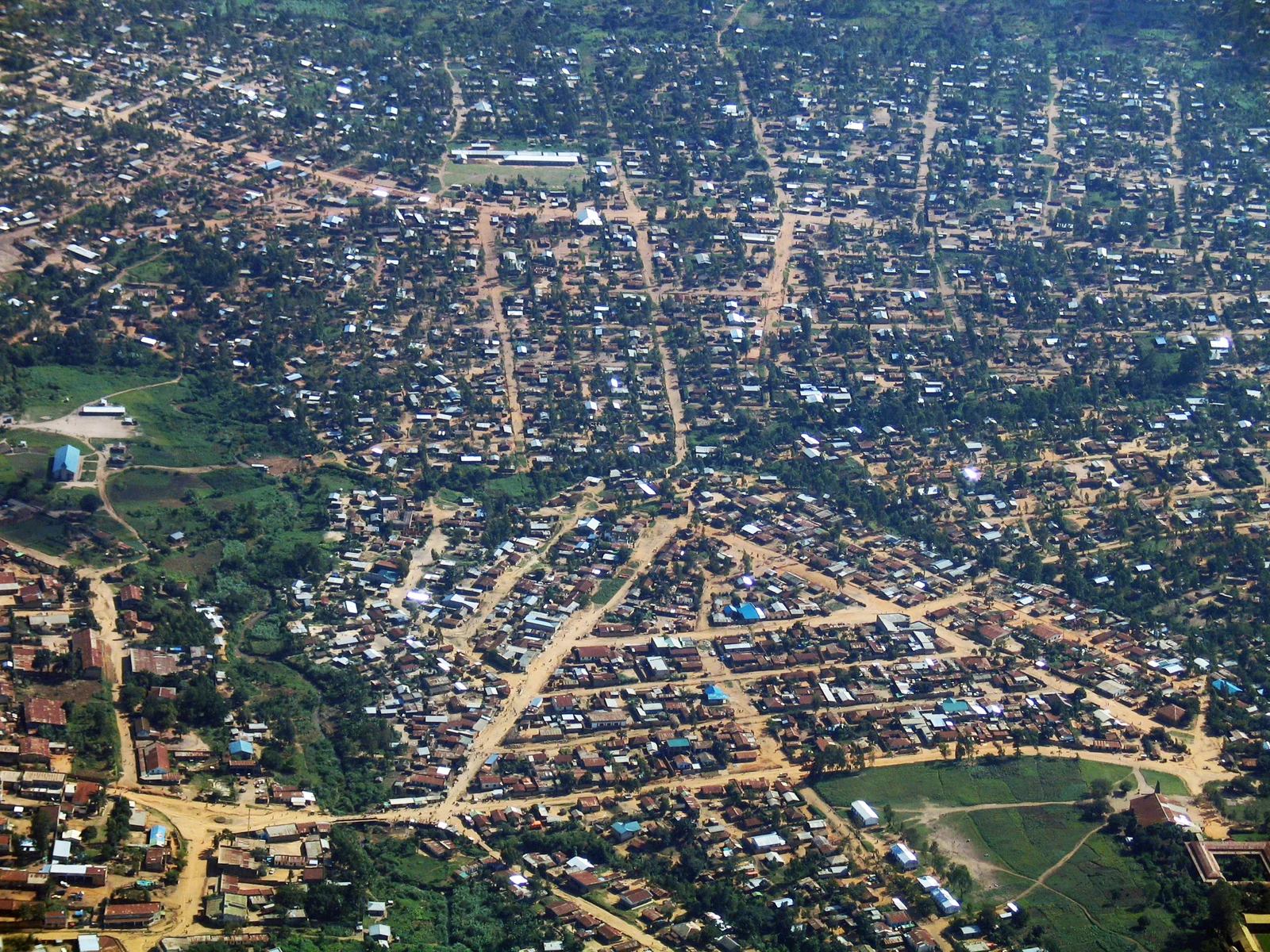
Then the species problem showed up in a test tube before it showed up in a vaccine. Once the alert was raised, confirmation took ten days. The first GeneXpert tests, designed to find Zaire ebolavirus, came back negative, and broader testing and genetic sequencing at INRB, the national biomedical research institute in Kinshasa, were needed to identify the virus. By mid-August the confirmed count alone exceeded the combined published totals of the DRC’s 16 previous Ebola outbreaks, about 4,800 cases, although older case definitions were not fully standardised.
Late detection delays both contact tracing and care. By 20 October, WHO reported 30,130 contacts under follow-up, of whom 79.7% had been seen in the previous 24 hours, against a required 95%. Of the 482 deaths reported between WHO’s updates of 8 and 23 October, 307 occurred in communities and 175 in treatment centres. WHO reads that pattern as continuing difficulty in detecting cases early and getting people to care in time.
Each step of that chain runs through a region at war. Fighting involving the M23 rebels, attacks by the Islamic State-linked Allied Democratic Forces and mass displacement have complicated surveillance, contact tracing and access to affected communities. On 16 October MSF’s head of mission in Ituri, a province sheltering more than a million displaced people, said the response’s near-exclusive focus on Ebola was making their humanitarian crisis invisible, and described the epidemic as a crisis inside a crisis that existed before it. By mid-July at least a dozen attacks on health facilities and workers had been recorded, and teams carrying out safe burials had been threatened. Traditional funerals, in which relatives wash and prepare the body, had been restricted, which angered some residents, and rumours about treatment centres, fear of isolation and resistance to safe burials led some people to avoid testing or to seek care only once they were critically ill.
The people doing the work are exposed as well. By 20 August, 158 health workers had been infected and 45 had died. Frontline workers have gone on strike over unpaid salaries, bonuses and dangerous conditions, and in October a Bunia nurse, Prince Bahati, told AP that many of those in the response, “who sometimes risk their own lives to save others”, say they have not been paid. The same month Africa CDC’s director-general, Jean Kaseya, said that of $962 million from international donors disbursed to organisations working on the response in eastern Congo, only $200 million had been accounted for. Congolese authorities said they had received no money directly from donors, and the health ministry cut the number of accredited organisations to 25, out of almost 100 previously authorised. Kaseya called the gap a failure of transparency and financial reporting, and said it was too early to speak of embezzlement.
The chain can be made to work. Uganda, which had fought Sudan virus outbreaks in 2022 and 2025, detected its 2026 introduction within six days, notified it in less than one and completed its early response in two. Only five of its 20 confirmed cases were infected inside the country; the other 15 were imported from the DRC. Uganda’s health ministry declared the outbreak over on 28 July, and WHO followed on 27 August. By late August several health zones in northern Ituri and South Kivu had also interrupted transmission.
The virus has travelled further since. Kenya’s first case was a Kenyan who had been living in the DRC, travelled by road through Beni to Kampala and flew to Nairobi on 3 October; he died on the night of 5 October. By 20 October Kenya had nine cases, all linked to him, among them four relatives and four health and care workers, and by 22 October all 135 listed contacts were being followed up. On 23 October Kenya’s health ministry announced a second death, a 65-year-old woman, a close relative of the first patient, who fell ill while in quarantine. In Nigeria a woman who had arrived from Uganda was confirmed infected on 20 October, and 44 of her contacts were being monitored. Europe has seen a different kind of case. Four people working in health or humanitarian roles in the DRC have fallen ill: three were evacuated, two to Germany and one to the Netherlands, and a fourth case was reported in France in June.
Deciding before the evidence arrives
WHO’s first position came on 28 May. Ervebo, it said, should not be used outside carefully designed research protocols.
On 20 July twelve researchers and clinicians, among them staff of Mongbwalu General Referral Hospital, MSF in Mongbwalu and INRB in Kinshasa, published a commentary arguing that the evidence justified reconsidering Ervebo for carefully selected high-risk groups while its effect was studied. One of their reasons came from Mongbwalu itself, from data held by one of the authors and not yet published. Eight health workers developed probable Bundibugyo disease after exposure to a pregnant patient who needed surgery and who, it was later suspected, had had the infection in early April. The three who had previously received Ervebo survived. The five who had not, died.
The authors listed the limits of that observation alongside it. Vaccination status had been incompletely ascertained and was not checked against verified records; the infections were not confirmed in a laboratory; survivor bias, ascertainment bias and unmeasured differences between the eight could all shape the result. They called it a hypothesis-generating signal that warranted prospective investigation, and eight people are very few to learn from. A second signal came from the health ministry’s database. Its cases were laboratory-confirmed, but their vaccination histories came mostly from patient interviews and case forms. Of more than 1,000 confirmed cases by 24 June, nine had been vaccinated earlier and all nine survived, and none of the 242 deaths with known vaccination status was in a vaccinated person.
Their argument rested on who carries the risk. Health workers and frontline responders, they wrote, have the most favourable balance of risk and benefit: they are heavily exposed, essential to the response and easy to follow up. They called it a “no-regret” approach and compared it to the recommendation of malaria vaccines of moderate efficacy as part of wider malaria control. They also named what could go wrong: efficacy against Bundibugyo is uncertain, scarce resources could be diverted, and public trust could erode if protection proved limited.
In August the institutions moved. On 7 August WHO’s advisory group on candidate vaccines recommended that Ervebo be prioritised for a randomised trial. The ICG, the group that has managed the emergency Ebola vaccine stockpile since 2021, released 70,000 doses to the DRC: 20,000 for a trial and 50,000 for health and frontline workers. On 19 August WHO’s Strategic Advisory Group of Experts on Immunization concluded that the evidence was still insufficient for programmatic use, meaning routine use outside a study.
The policy that resulted has four parts. First, WHO counts two kinds of study as research protocols: a randomised ring trial, and an observational study of vaccine effectiveness, which records who was vaccinated and who fell ill without assigning the vaccine by chance. Second, for frontline workers it adds a separate argument. The areas at risk of Zaire Ebola overlap with this outbreak, and Ervebo was already recommended for health workers there as protection against the Zaire virus. Their vaccination can therefore go ahead under existing policy, inside a research protocol, and may continue outside one if a protocol is not feasible and reliable vaccination records exist. Third, every recipient must be told that the vaccine has been proven only against Ebola virus disease and must keep using every other protective measure. Fourth, the protocols set rules in advance for pausing, changing or stopping vaccination as evidence comes in.
How a ring trial tells protection from luck

A ring is the group of people who have been in contact with one confirmed case, and in some designs their contacts in turn. Guinea's Ebola Ça Suffit! trial used rings to show that vaccinating contacts and contacts of contacts worked against the Zaire virus. In Tumaini, each eligible contact is assigned by chance to a candidate vaccine or to a comparison vaccine against an unrelated disease. The doses are prepared and handed over by someone outside the trial, so that the allocation stays hidden. Chance is the point. In an observational signal such as the Mongbwalu cluster, the vaccinated may differ from the unvaccinated in ways nobody measured; random assignment tends to balance those differences between the groups, and whatever imbalance remains is down to chance, which statistics can measure. That is why WHO regards a ring trial as the most rigorous test. Cases that begin in the first nine days after vaccination are analysed separately, because protection is not expected to have built by then. On day 29 each participant receives the other injection, so everyone is offered the candidate. An independent committee reviews the results as they accumulate and can stop testing a candidate that looks unlikely to show a benefit.
The frontline campaign itself had been launched by the DRC’s health minister in Kisangani on 27 August. By 6 September, 2,007 people had been vaccinated across six health zones in Tshopo, Bas-Uélé and Ituri. BRAVO, launched in Bunia on 19 September, turned the vaccination of frontline workers in Ituri and North Kivu into a study. MSF’s deputy director of operations, Dr Manangama, set out its premise: “Even partial protection could help reduce severe illness and deaths. However, these potential benefits must be demonstrated scientifically. That is precisely the purpose of BRAVO.” Manangama added a warning: “It is important to stress that this vaccine will not end the current outbreak.” On 16 October health workers were still queueing for Ervebo, in Beni, North Kivu, and by 21 October Africa CDC counted 12,269 people vaccinated in the campaign, across 19 health zones, with 1,262 more inside BRAVO.
What a vaccine could add
The strongest objection to all this attention on a vaccine is that an Ebola outbreak can be brought under control without one. In late May, with no approved vaccine or treatment for Bundibugyo, WHO’s stated priority was the set of tools used in Ebola responses for decades: surveillance, rapid testing, contact tracing, isolation and care for patients, infection prevention and control, community engagement, and safe and dignified burials.
Modellers at Stanford, INRB and other institutions tested that objection on this outbreak in a simulation published in September. In their model, raising case detection from 30% to 70% and contact tracing from 30% to 80%, with no vaccine at all, cut expected deaths by 81.6% compared with the weaker baseline. Adding vaccination of contacts and contacts of contacts on top of those stronger operations cut deaths by a further 10.5%, with an uncertainty range of 6.2% to 15.6%. With weak operations, the same ring vaccination cut deaths by 24.6%. Vaccinating whole communities gave the largest reductions, up to 86.6% at 80% coverage, but needed about 54 to 111 doses for every death averted.
Two things limit what those numbers can say. The vaccine in the model is an assumption, set at 45% effectiveness and including some protection after exposure. Nobody has measured how well any vaccine protects people against Bundibugyo, so the 10.5% is the value of a hypothetical vaccine. And nobody has shown that Ituri’s response matches the model’s strong operations. In late August CEPI judged surveillance, case reporting and contact tracing far from strong enough to support any effective vaccine rollout, and in October daily follow-up of contacts was still below its target. The modellers’ own conclusion is that strengthened case finding, tracing and isolation averted most deaths even without vaccination, and that a partly protective vaccine’s value depends principally on rapid, broad delivery.
Even on top of the stronger response, though, ring vaccination with a partly effective vaccine cut deaths further, by a margin whose uncertainty range stays above zero, and only a trial can replace the assumed 45% with a measured figure. For health workers the calculation is personal. By 20 August, 45 of them had died, and the clinicians who argued for vaccinating them pointed to how exposed they are and how much the response depends on them.
Nor are the sick left with nothing while vaccines are tested. Early supportive care, with rehydration and treatment of symptoms, improves survival, and by 20 October 2,595 people with confirmed infection had recovered in the DRC. In July Tedros Adhanom Ghebreyesus, WHO’s director-general, said that people were recovering even without approved drugs but that many more lives could be saved with them. By early September PARTNERS, a WHO-sponsored trial of the monoclonal antibody MBP134 and the antiviral remdesivir, was open at five treatment facilities in Ituri and had enrolled more than 300 confirmed patients. Another trial, EBO-PEP, run with INRB and the medical organisation ALIMA, is testing preventive treatment given to high-risk contacts after they have been exposed.
Tumaini
On 23 October, in Bunia, the first participant was vaccinated in Tumaini, a Phase 2/3 trial whose name means “hope” in Swahili. Phase 2/3 means it will measure safety, immune responses and efficacy. Ervebo is the first candidate to enter it. The trial is co-sponsored by INRB and the University of Antwerp, with the DRC’s health ministry providing national leadership and oversight. Its registered design foresees about 3,620 participants, with primary completion estimated for April 2027. It includes pregnant women and children, from 12 years for most candidates and from one year for Ervebo, groups often left out of vaccine trials.
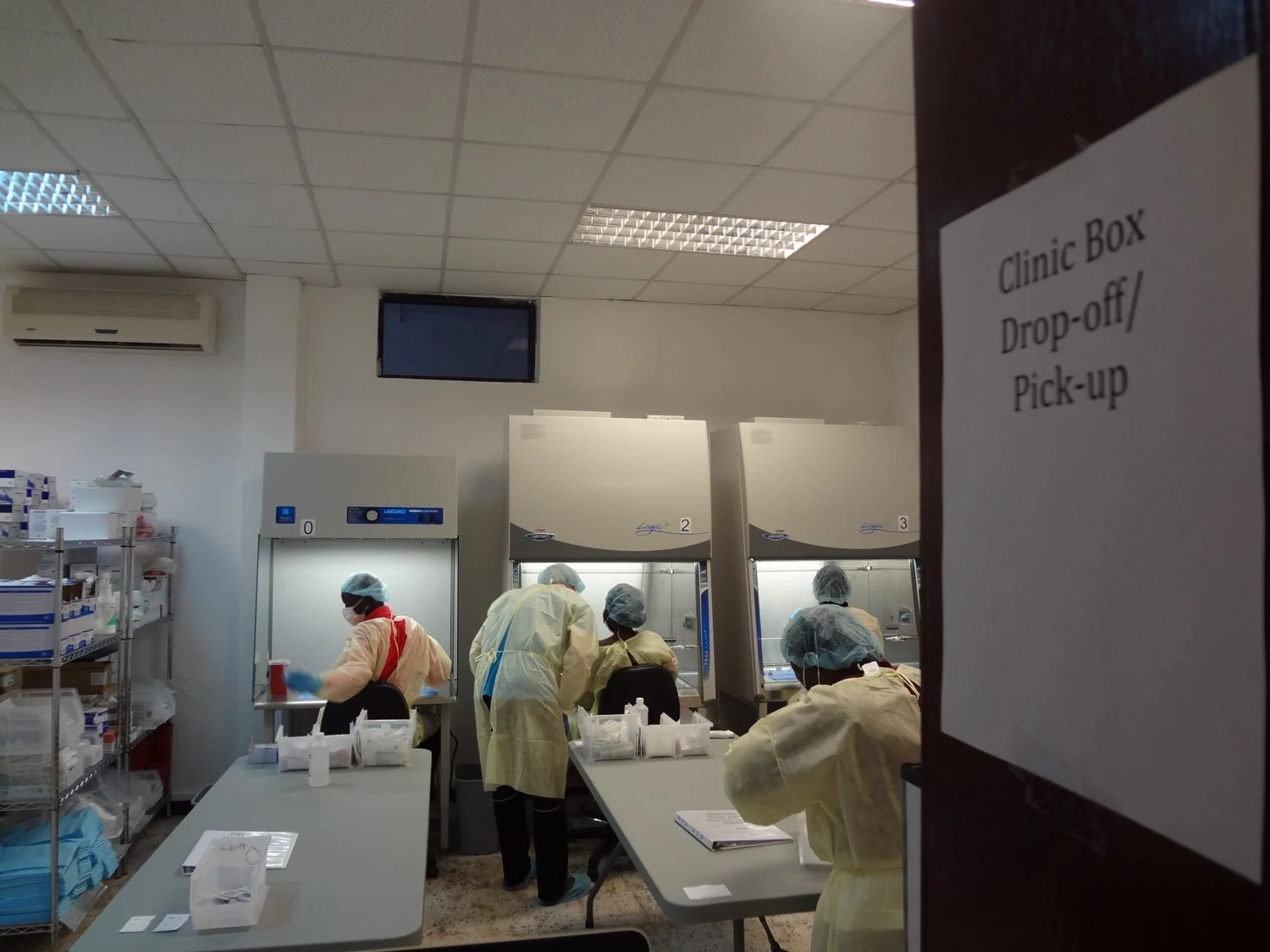
Behind Ervebo wait vaccines built for Bundibugyo itself. CEPI says two that it funds, Moderna’s mRNA vaccine and the Oxford vaccine made by the Serum Institute of India, are being prepared to enter the trial shortly. ECDC lists five Bundibugyo candidates under investigation, every one still in preclinical development or early-stage trials. They were made fast. Oxford’s team said it took its candidate from concept to clinic in eight weeks, and CEPI counted 80 days from the first reported case in the DRC to the first doses in Phase 1 trials, against more than twice that interval in West Africa, where early work on a Zaire vaccine had already begun. Speed has produced candidates ready to test. Whether any of them protects is what the trial has to establish.
The design also gives a second life to vaccines that come too late for the outbreak. An immunology lead on the trial explained that the immune responses of protected participants can serve as a benchmark: vaccines that arrive late in the outbreak, or after it, can be compared against them, so that promising candidates are not overlooked simply because they became available later. If that works, Tumaini could supply the correlate of protection that the antibody studies lack. WHO’s emergencies chief said that if the trial succeeds, “this would be the first time we have clear evidence of vaccine efficacy against Bundibugyo virus”.
Day 10 to day 29
Tumaini will compare how often Bundibugyo illness, confirmed by a laboratory test for the virus’s genetic material, begins between the 10th and the 29th day after the first injection, in the vaccine group and in the comparison group. For those vaccinated in Bunia on 23 October, that window opens in the first days of November and closes around 20 November. As those comparisons accumulate, they become the kind of evidence WHO’s research protocols name as grounds for pausing, changing or continuing the vaccination of frontline workers with Ervebo.
The people inside the window are the contacts of someone already ill. Each is assigned by chance to a vaccine built for another virus or to one against typhoid, and none of them is told which.
Related articles
- The antibiotic resistance crisis: why the world is quietly running out of treatments
- How your ZIP code predicts your life expectancy better than your genes
- The reconstruction economy: who gets rich when a country is rebuilt, and what that predicts about recovery
Further reading
As an Amazon Associate, Eikleaf earns from qualifying purchases. The book links below are affiliate links: if you buy through them, we may earn a small commission at no extra cost to you.
- Ebola: The Natural and Human History of a Deadly Virus — David Quammen (2014). Accessible account of the ebolavirus family, including Bundibugyo, its animal reservoirs and how outbreaks start.
- Fevers, Feuds, and Diamonds: Ebola and the Ravages of History — Paul Farmer (2020). A physician’s account of the 2014 West African epidemic, showing how weak health systems, not the virus alone, decide how deadly Ebola becomes.
- Ebola: How a People’s Science Helped End an Epidemic — Paul Richards (2016). An anthropologist in Sierra Leone shows how community knowledge on burials and care changed the course of the 2014 epidemic, context for outbreak response beyond vaccines.
Recommended videos
 12:32Why Congo can’t get its new Ebola epidemic under control | DW ReporterDW reporting from Congo on why the current Ebola epidemic has been so hard to contain.
 14:00Ebola outbreak is outpacing response in DR Congo — what’s going wrong? | DW NewsAnalysis of why the response in Congo has been falling behind the outbreak, context for the vaccine trial.
 1:22Oxford scientist: Ebola vaccine could be ready for trials in monthsOxford scientists on fast-tracking a vaccine designed specifically for the Bundibugyo strain.
Cite this article
Ingrid Dahl. “A vaccine for one Ebola, tested against another.” Eikleaf, 24 October 2026, updated 25 October 2026. https://www.eikleaf.com/a-vaccine-for-one-ebola-tested-against-another/
Gen AI Disclaimer
Some contents of this page were generated and/or edited with the help of a Generative AI.
Media
Ebola virus Makona from West African Epidemic – Wikimedia Commons (Photo: NIAID, CC BY 2.0)
Bunia from the air – Wikimedia Commons
Ebola PREVAIL study – Wikimedia Commons (Photo: NIAID, CC BY 2.0)
Key Sources and References
World Health Organization. “Ebola disease caused by Bundibugyo virus – Democratic Republic of the Congo, Kenya and Nigeria.” Disease Outbreak News 2026-DON622, 23 October 2026. https://www.who.int/emergencies/disease-outbreak-news/item/2026-DON622
European Centre for Disease Prevention and Control. “Ebola disease outbreak caused by Bundibugyo virus – Multi-country – 2026.” Epidemiological update, 23 October 2026. https://www.ecdc.europa.eu/en/public-health-events/2026-eip-00026/2026-10-23
European Centre for Disease Prevention and Control. “Threat assessment brief: Importation of Ebola disease cases caused by Bundibugyo virus to Kenya and Nigeria.” 23 October 2026. https://www.ecdc.europa.eu/sites/default/files/documents/importation-ebola-tab.pdf
World Health Organization. “Ebola disease caused by Bundibugyo virus – Democratic Republic of the Congo.” Disease Outbreak News 2026-DON617, September 2026. https://www.who.int/emergencies/disease-outbreak-news/item/2026-DON617
World Health Organization. “Ebola disease caused by Bundibugyo virus – Democratic Republic of the Congo.” Disease Outbreak News 2026-DON619, 8 October 2026. https://www.who.int/emergencies/disease-outbreak-news/item/2026-DON619
World Health Organization. “The 2026 Bundibugyo virus disease outbreak in the Democratic Republic of the Congo in context: lessons from previous outbreaks.” Weekly Epidemiological Record, week 33, 2026. https://www.who.int/publications/journals/weekly-epidemiological-record/wer101-33
World Health Organization. “Ebola vaccines.” Questions and answers, accessed 23 October 2026. https://www.who.int/news-room/questions-and-answers/item/ebola-vaccines
World Health Organization. “Ebola disease.” Fact sheet, accessed 23 October 2026. https://www.who.int/news-room/fact-sheets/detail/ebola-disease
World Health Organization. “Ebola outbreak 2014-2016 – West Africa.” https://www.who.int/emergencies/situations/ebola-outbreak-2014-2016-West-Africa
World Health Organization. “Experts convened by WHO advise on candidate treatments and vaccines for Ebola disease caused by Bundibugyo virus.” 28 May 2026. https://www.who.int/news/item/28-05-2026-experts-convened-by-who-advise-on-candidate-treatments-and-vaccines-for-ebola-disease-caused-by-bundibugyo-virus
World Health Organization. “WHO and Africa CDC welcome the allocation of Ebola vaccines to the Democratic Republic of the Congo.” 20 August 2026. https://www.who.int/news/item/20-08-2026-who-and-africa-cdc-welcome-the-allocation-of-ebola-vaccines-to-the-democratic-republic-of-the-congo
World Health Organization. “Patient enrolment begins in a scientific trial to identify the first effective treatments for Bundibugyo virus disease.” 2 July 2026. https://www.who.int/news/item/02-07-2026-patient-enrolment-begins-in-a-scientific-trial-to-identify-the-first-effective-treatments-for-bundibugyo-virus-disease
Tedros Adhanom Ghebreyesus, Mohamed Yakub Janabi and Jean Kaseya. “The deadliest Bundibugyo Ebola outbreak can be stopped.” WHO commentary, August 2026. https://www.who.int/news-room/commentaries/detail/the-deadliest-bundibugyo-ebola-outbreak-can-be-stopped
WHO Regional Office for Africa. “Kenya confirms first imported Bundibugyo virus disease case.” 6 October 2026. https://afro.who.int/countries/kenya/news/kenya-confirms-first-imported-bundibugyo-virus-disease-case-who-supports-control-efforts
WHO Regional Office for Africa. “Nigeria confirms imported case of Ebola Bundibugyo virus disease.” 20 October 2026. https://afro.who.int/countries/nigeria/news/nigeria-confirms-imported-case-ebola-bundibugyo-virus-disease
US Food and Drug Administration. “ERVEBO.” Product page. https://www.fda.gov/vaccines-blood-biologics/ervebo
National Agency for Food and Drug Administration and Control (Nigeria). “Zabdeno suspension for injection.” Greenbook product record. https://greenbook.nafdac.gov.ng/products/details/8859
Médecins Sans Frontières. “MSF launches Ebola vaccination study among DRC frontline workers.” 19 September 2026. https://www.msf.org/msf-launches-ebola-vaccination-study-among-drc-frontline-workers
Al Jazeera. “DR Congo rolls out Ebola vaccine for health workers as death toll rises.” 20 September 2026. https://www.aljazeera.com/news/2026/9/20/dr-congo-rolls-out-ebola-vaccine-for-health-workers-as-death-toll-rises
Kuppalli K, Lokudu R, et al. “Reconsidering the rVSVΔG-ZEBOV-GP vaccine during the 2026 Bundibugyo virus outbreak.” The Lancet Infectious Diseases 2026;26(9):875–877, online 20 July 2026. https://doi.org/10.1016/S1473-3099(26)00382-8
Halbrook M, Merritt S, Hoff NA, et al. “Bundibugyo virus glycoprotein seroreactivity following recombinant vesicular stomatitis virus-Zaire Ebola virus glycoprotein vaccination in outbreak-affected populations of the Democratic Republic of the Congo: a longitudinal cohort study.” The Lancet 2026;408(10559):1019–1028, online 25 August 2026. https://doi.org/10.1016/S0140-6736(26)01608-9
Henao-Restrepo AM, Camacho A, Longini IM, et al. “Efficacy and effectiveness of an rVSV-vectored vaccine in preventing Ebola virus disease: final results from the Guinea ring vaccination, open-label, cluster-randomised trial (Ebola Ça Suffit!).” The Lancet 2017;389(10068):505–518. https://doi.org/10.1016/S0140-6736(16)32621-6
Andrews JR, Mbala PK, Mukadi PK, Kindrachuk J, Hoff NA, Rimoin AW, Bogoch II. “Ring and community vaccination for Bundibugyo virus outbreak response: a stochastic network modelling study.” The Lancet Infectious Diseases, online 2 September 2026. https://doi.org/10.1016/S1473-3099(26)00464-0
Meakin S, Nsio J, Camacho A, et al. “Effectiveness of rVSV-ZEBOV vaccination during the 2018–20 Ebola virus disease epidemic in the Democratic Republic of the Congo: a retrospective test-negative study.” The Lancet Infectious Diseases 2024;24(12):1357–1365. https://doi.org/10.1016/S1473-3099(24)00419-5
Falzarano D, Feldmann F, Grolla A, et al. “Single immunization with a monovalent vesicular stomatitis virus–based vaccine protects nonhuman primates against heterologous challenge with Bundibugyo ebolavirus.” Journal of Infectious Diseases 2011;204(Suppl 3):S1082–S1089. https://pmc.ncbi.nlm.nih.gov/articles/PMC3189995/
Mire CE, Geisbert JB, Marzi A, Agans KN, Feldmann H, Geisbert TW. “Vesicular stomatitis virus-based vaccines protect nonhuman primates against Bundibugyo ebolavirus.” PLoS Neglected Tropical Diseases 2013;7(12):e2600. https://journals.plos.org/plosntds/article?id=10.1371/journal.pntd.0002600
Lhomme E, Wiedemann A, Ayouba A, et al. “Cross-reactive Bundibugyo antibody responses after receipt of licensed Ebola vaccines.” New England Journal of Medicine 2026;395(6):612–615. https://doi.org/10.1056/NEJMc2608018
Inserm. “Épidémie d’Ebola Bundibugyo : des premiers résultats pour guider la recherche d’un vaccin efficace.” Press release, July 2026. https://presse.inserm.fr/epidemie-debola-bundibugyo-des-premiers-resultats-pour-guider-la-recherche-dun-vaccin-efficace/73111/
Hoffmann M, et al. “Pseudovirus-based analysis of host cell entry and vaccine-induced neutralisation of Bundibugyo virus.” The Lancet Infectious Diseases 2026;26(9):e330–e331. https://pubmed.ncbi.nlm.nih.gov/42492560/
German Primate Center. “Is the licensed Zaire ebolavirus vaccine suitable to combat the current Bundibugyo ebolavirus outbreak?” Press release via idw, July 2026. https://idw-online.de/en/news875110
Kayiwa J, Bbuye M, Atuhaire R, et al. “Early action review of detection, notification, and response timeliness during cross-border Bundibugyo virus disease outbreak, Uganda, 2026.” Emerging Infectious Diseases 2026;32(10). https://wwwnc.cdc.gov/eid/article/32/10/26-1411_article
IAVI. “IAVI to advance vaccine candidate for Bundibugyo virus, receives funding from CEPI.” 1 June 2026. https://www.iavi.org/press-release/iavi-vaccine-candidate-bundibugyo-virus-cepi-funding/
University of Antwerp and INRB. “TUMAINI: A Phase 2/3 randomized, controlled, adaptive platform trial to evaluate the efficacy, safety, and immunogenicity of vaccine candidates against Bundibugyo virus disease in contacts of cases.” ClinicalTrials.gov NCT07842107, record updated 5 October 2026. https://clinicaltrials.gov/study/NCT07842107
Coalition for Epidemic Preparedness Innovations. “First participant vaccinated in pivotal Phase 2/3 Bundibugyo vaccine trial in DRC.” 23 October 2026. https://cepi.net/first-participant-vaccinated-pivotal-phase-23-bundibugyo-vaccine-trial-drc
Coalition for Epidemic Preparedness Innovations. “Bundibugyo Virus – What it is and what it is not.” 9 June 2026. https://cepi.net/bundibugyo-virus-what-it-and-what-it-not
Coalition for Epidemic Preparedness Innovations. “CEPI fast-tracks three Bundibugyo ebolavirus vaccine candidates.” 1 June 2026. https://cepi.net/cepi-fast-tracks-three-bundibugyo-ebolavirus-vaccine-candidates
Lurie N, Kelland K. “100 days into the Bundibugyo emergency, unprecedented speed is still not enough.” CEPI, 25 August 2026. https://cepi.net/100-days-bundibugyo-emergency-unprecedented-speed-still-not-enough
Coalition for Epidemic Preparedness Innovations. “From market failure to epidemic preparedness: the race for a Bundibugyo Ebola vaccine.” 2026. https://cepi.net/market-failure-epidemic-preparedness-race-bundibugyo-ebola-vaccine
Agence France-Presse. “First person vaccinated during trial of new Ebola jab.” Arab News, July 2026. https://www.arabnews.com/node/2652188
Associated Press. “Safety fears limit Ebola response in Congo, with more than 12 attacks on health facilities and workers recorded.” PBS NewsHour, 18 July 2026. https://www.pbs.org/newshour/world/safety-fears-limit-ebola-response-in-congo-with-more-than-12-attacks-on-health-facilities-and-workers-recorded
Associated Press. “What experts are saying as Ebola outbreak in Congo and Uganda kills more than 1,000 people.” PBS NewsHour, 24 July 2026. https://www.pbs.org/newshour/world/what-experts-are-saying-as-ebola-outbreak-in-congo-and-uganda-kills-more-than-1000-people
Associated Press. “Africa CDC wants aid groups to account better for millions disbursed to fight Ebola outbreak.” 19 October 2026. https://www.clickondetroit.com/news/world/2026/10/19/millions-of-dollars-are-unaccounted-for-in-ebola-response-officials-say-this-is-what-we-know/
Reuters. “Africa CDC says over $700 million in Ebola response funds unaccounted for in Congo.” ThePrint, 16 October 2026. https://theprint.in/world/africa-cdc-says-over-700-million-in-ebola-response-funds-unaccounted-for-in-congo/3074051/
Associated Press. “Kenya announces 2nd Ebola death, a close relative of the first patient.” 23 October 2026. https://www.clickondetroit.com/health/2026/10/23/kenya-announces-2nd-ebola-death-a-close-relative-of-the-first-patient/
Agence Congolaise de Presse. “Ituri : MSF alerte sur l’abandon des déplacés face à la priorité accordée à Ebola.” 16 October 2026. https://acp.cd/province/ituri-msf-alerte-sur-labandon-des-deplaces-face-a-la-priorite-accordee-a-ebola/
World Health Organization. “Ebola disease caused by Sudan ebolavirus – Uganda.” Disease Outbreak News 2023-DON433, 14 January 2023. https://www.who.int/emergencies/disease-outbreak-news/item/2023-DON433
IAVI. “IAVI applauds Ugandan health authorities on the end of the country’s Sudan virus outbreak.” April 2025. https://www.iavi.org/?p=10953