Last updated: · 18 min read
In brief
When Britain sanctioned eleven Sudanese people and companies in July 2026, most fell neatly on one side of the civil war. One state mining firm, Sudamin, was suspected of channelling gold revenue to both. That is the war in miniature: the army and the RSF built rival gold economies selling into many of the same markets. The enemies share a hub. Most of the gold still reaches the United Arab Emirates, directly or through Egypt. That reliance leaves Egypt and the UAE uniquely placed to press for a ceasefire in a war that has displaced over 11.3 million people.
Contents
On 16 July 2026 the British government sanctioned eleven Sudanese people and companies it suspected of financing, supplying or trading for one side or the other in Sudan’s civil war. Most of the names fell neatly on one side of the front line, among them a financier and two procurement operatives for the Rapid Support Forces (RSF), the paramilitary force fighting the state; a procurement official for the Sudanese Armed Forces (SAF) and the Hong Kong company he controls; and two state-owned mining firms, Omdurman Mining and Ariab, suspected of generating gold revenue for the army.
The eleventh name was harder to place. Sudamin, a third state-owned mining company, was suspected of channelling revenue from conflict gold “to both the SAF and RSF, including through past links to sanctioned company Al Junaid.” Al-Junaid is a construction and trading firm owned by members of the family of Mohamed Hamdan Dagalo, known as Hemedti, the commander of the RSF.
Sudamin’s link to Al-Junaid goes back to a deal over gold mines. In 2020 Al-Junaid announced that it would give up the Jebel Amer gold mines in North Darfur. An assistant to the company’s general manager blamed “political pressure” and a campaign claiming that the firm smuggled gold. Chatham House, the London think tank, says the compensation included cash, tax exemptions and a 34% stake in Sudamin, which at the time held the monopoly on importing the mercury and cyanide used in gold processing. Three years later the two forces went to war, and the RSF “moved quickly to recapture Jebel Amer”.
The war began in April 2023, ignited mainly by a dispute over folding the RSF into the regular army during a planned transition to civilian rule. Chatham House counts the fight over gold assets as one of its drivers, and argues that both generals, the army’s Abdel Fattah al-Burhan and Hemedti, want to keep their political power and preserve their multi-billion-dollar business empires. Gold is the most significant source of income for both sides, in Chatham House’s assessment. The British government calls it “the engine” of Sudan’s war economy.
By 5 October 2026 the UN refugee agency, UNHCR, counted more than 11.3 million people still displaced by the war. The dead are counted in two different ways. The conflict monitor ACLED, which tallies reported fatalities, had recorded at least 59,000 by mid-October. Aid workers, quoted by AFP on 21 October, estimate that more than 200,000 people have been killed.
Gold from both sides leaves Sudan by overlapping routes and ends up in many of the same markets, which gives the countries that host those markets leverage over both armies.
How gold replaced oil
When South Sudan seceded in 2011, it took about three-quarters of Sudan’s crude oil reserves with it. Gold filled part of the hole. By 2022 it made up nearly half of the country’s non-oil exports.
In 2012 gold was discovered at Jebel Amer, a remote site in North Darfur, and the rush drew diggers from as far away as Chad, the Central African Republic and Nigeria. That year a government official said the area supplied a third of the country’s output. In 2013 the Janjaweed, the Darfur militias, were formalised as the RSF under Hemedti, and in 2017 the new force seized Jebel Amer.
By 2019 the RSF was a business as well as an army. The campaign group Global Witness found that the RSF and Al-Junaid “appear to have effectively captured a large part of the gold market in Sudan”, and that leaked bank documents appeared to show an RSF account at the National Bank of Abu Dhabi. That year Hemedti said that the RSF had put $1.027 billion into the central bank. He listed the money’s sources as the salaries of troops serving abroad, “money from gold” and other investments. By the time the war began, the UN Panel of Experts on Sudan found, the RSF controlled most of the country’s gold trade and had invested its pre-war gold proceeds in a network of as many as 50 companies.
The army built its own networks, and Chatham House traces its new weapons purchases to a web of army-aligned companies and business groups tied to Islamists and the former regime. So by 2023 each force had its own gold economy, and between them sat at least one state company in which the RSF commander’s family firm had been handed a stake.
The army’s gold travels by bank and by barter
The army oversees gold production in the north and east of the country. It benefits from taxes on production, which the Finance Ministry oversees, and the state’s official exports come from the areas it holds. Those exports cover only part of what the state says is mined: the Ministry of Minerals’ figure for 2025 production exceeds the central bank’s recorded exports by tens of tonnes. The gap can’t simply be read as the amount smuggled.
The official exports went almost entirely one way. In 2024 Sudan sent 22.2 of its 22.9 tonnes of official gold exports to the United Arab Emirates. The UAE also supplied the banking. The army-backed authorities in Port Sudan ran their international transactions mainly through the Abu Dhabi branch of the state-owned El-Nilein Bank, and Emirati banks and investors held a significant stake in the Bank of Khartoum, Sudan’s largest commercial bank. Exporters preferred Dubai because of long-standing relationships and because finance was on hand there to buy goods for Sudan. The government used its gold earnings to import fuel and wheat. In 2025 the Kush mine, the centrepiece of the government’s gold sector, was owned by a Dubai-based company, Emiral Resources.
That left the army in an awkward position: it relied on the UAE for hard currency from gold while accusing it of backing the RSF. Chatham House found that, as of early 2025, Burhan avoided criticising the UAE openly because he recognised its financial leverage. The UAE denies backing either side.
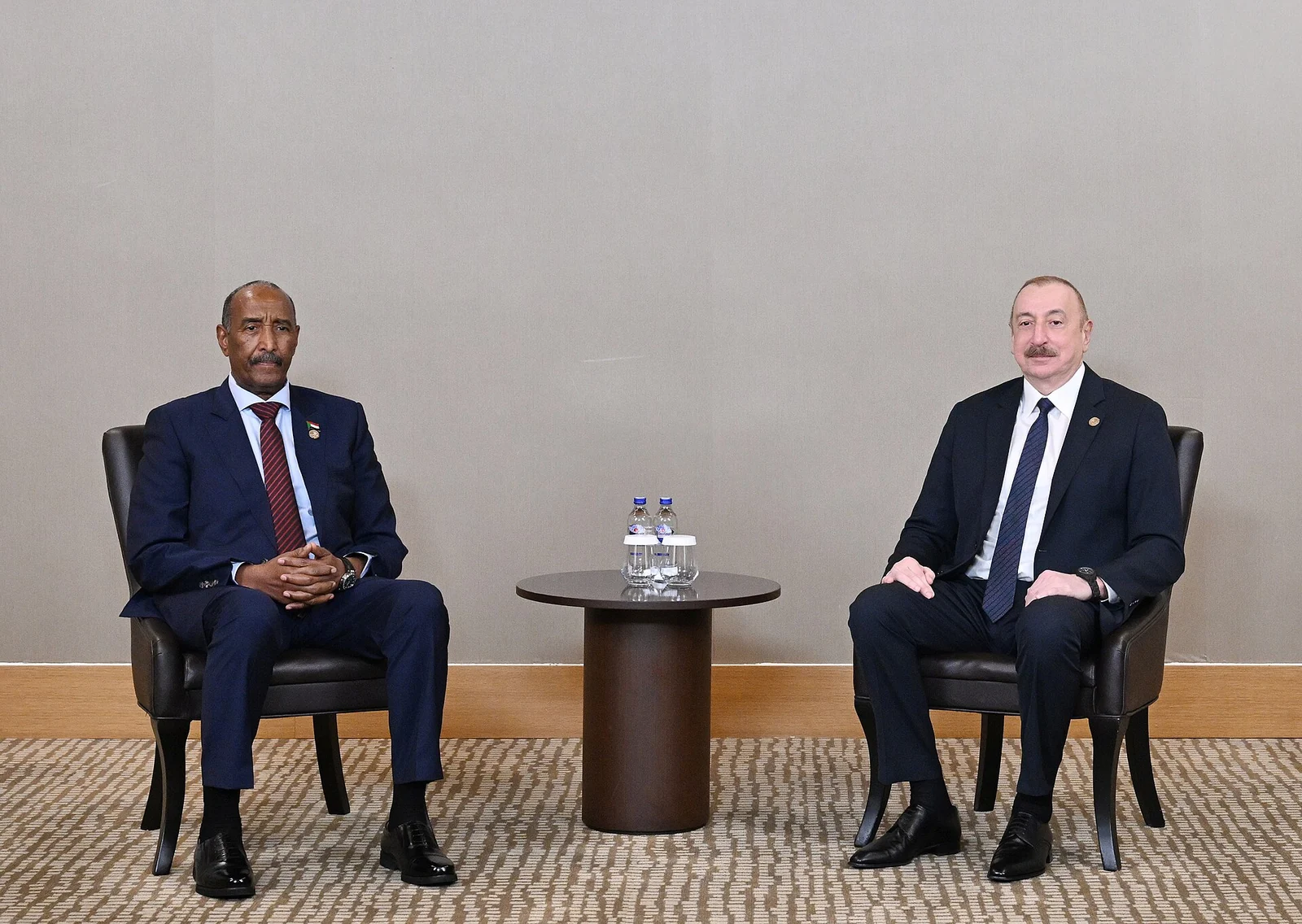
In May 2025 Sudan cut diplomatic ties with the UAE anyway. In early August the UAE stopped commercial flights from Port Sudan, and the Sudanese pound fell from 2,200 to 3,600 to the dollar, traders told Reuters. Official gold exports fell from 22.9 tonnes in 2024 to 14.7 tonnes in 2025, and shipments to the UAE fell sharply. Egypt received 4.9 tonnes of Sudanese gold that year, roughly twenty times as much as the year before. On 6 October 2026 the state mining company said gold exports had earned $2.3 billion in the first nine months of the year.
One company shows how that northern route works. The Egyptian Sudanese Company, leaked documents obtained by the outlet The New Arab show, is jointly owned by affiliates of Egypt’s ministries of supply and defence and by a subsidiary of the Defence Industries System, the army-owned conglomerate that is Sudan’s main weapons producer. In the first half of 2023 it shipped tens of thousands of tonnes of sugar and flour to the army and its partners. By January 2024 it had signed an agreement to import Sudanese gold and distribute it inside Egypt. It went on trading with subsidiaries of the Defence Industries System after the US and Britain put the conglomerate under sanctions in 2023. Asked about this, a company executive first denied any dealings with sanctioned Sudanese entities, then gave no comment when shown the documents. The Sudanese analyst Suliman Baldo described the mechanism to the outlet: army companies repackage the Egyptian goods and sell them in Sudan for local currency, then spend it on products for export to Egypt. He called it “a form of swap, or barter trade”, and because no dollars or euros change hands, “the main avenue for evading sanctions”.
Why Cairo pays more

In May 2023 Egypt waived customs duties and other charges, though not VAT, on specified gold imports carried in by arriving passengers, initially for six months. Smugglers are also drawn by better prices in Egyptian markets and a lighter tax burden there. A trader who exported through Port Sudan paid 28% in taxes, later cut to 20%, while smugglers charged about 10% to carry the gold to Cairo's markets. In early 2025 Chatham House estimated that about 60% of the output of Northern, River Nile and Red Sea states, in the army-held north and east, went to Egypt unofficially. The trade runs both ways. Sudanese traders spend the proceeds in Egypt on foodstuffs and cooking oil, and on the fuel, mercury and cyanide used at the mines, and send them south.
Much of the gold that reaches Egypt does not stay there. The New Arab reports that most of Sudan’s gold exports to Egypt are re-exported to the UAE. The analyst Omer Sidiahmed puts it in one line: the destination has not changed, “only the route”. Baldo told Reuters that “Egypt is the biggest gainer”, because it keeps the difference between what it pays Sudan and what it earns in the UAE.
Cairo’s motives are harder to read. Chatham House judges that Egypt’s support for the army is “likely heavily predicated on Cairo’s appetite for Sudanese gold” and on the army’s ability to pay for arms with gold revenue. Egypt has security reasons as well. It backs Burhan, but it also regards a war on its southern border as a threat to its security.
What comes back to the army is easier to list than to trace. In January 2025 the US Treasury found that the army’s procurement official Ahmad Abdalla had arranged the purchase of Iranian-made drones from an Azerbaijani defence company. In June 2026 Treasury said the army’s arsenal, which its weapons conglomerate maintains, is often acquired from Iran and other foreign backers, and that an Indian company had supplied more than 200 shipments of explosives into that system since 2024. Working from verified images and footage, the UN fact-finding mission on Sudan identified features consistent with Turkish Bayraktar Akıncı combat drones in army strikes from January 2026, though it calls its findings on the army’s foreign support preliminary. In July 2026 Britain put Abdalla on its list of gold-network sanctions.
The RSF sells from the pit to Dubai
The RSF holds most of the goldfields in Darfur and Kordofan, and it makes money from them in three ways, Chatham House says. It guards its own mining and trading, run through Al-Junaid. It imposes “protection” that forces small-scale miners to sell through its channels. And some of its units dig for gold themselves. In the first two months of the war it seized the Sudan Gold Refinery in Khartoum, with a stock of unrefined gold awaiting export. By early 2025, with mining at Jebel Amer largely stopped, the Songo mines in South Darfur, close to the border with South Sudan, had become its most important source.
Some of its gold is bought at the pit. The UN Panel of Experts documented a Darfur rebel faction selling gold from the Kidineer mine to the RSF and to traders linked to it. From June to October 2024, the Panel estimated, gold fetched an average of $72,000 a kilogram at the mines against $85,204 on formal markets. Prices varied widely with purity, and moving gold out of Darfur costs money, but the gap gives traders a reason to carry it to a formal market.
Two exits for the RSF’s gold are on record. Chatham House says much of the gold from North Darfur is smuggled into Chad and carried on from there to the UAE. A former Al-Junaid engineer gave AFP a second route, from Darfur’s southern border area: to an airport at Raga in South Sudan, then by plane to Uganda and Kenya, and from there to the UAE. That is one person’s account of one region. Both routes end where Sudanese gold smuggled through Egypt, Chad and Libya also ends up: in Dubai.
The paper trail thickens in Dubai. The UN Panel recorded that an RSF-associated trader received 50 kilograms of gold there in May 2023, a consignment that had come from Khartoum through Port Sudan. In January 2025 the US Treasury said that AZ Gold, a UAE company, had bought gold from Sudan “presumably for the benefit of the RSF” and moved it to Dubai. In October 2025 the investigative group The Sentry alleged that the RSF relies on a network of companies, Dubai firms among them, to turn conflict gold into hard currency, named Mazin Fadlalla among the men behind those structures, and urged Western governments to investigate him and Ahmed Hashim. In July 2026 Britain sanctioned both as RSF-linked procurement operatives.
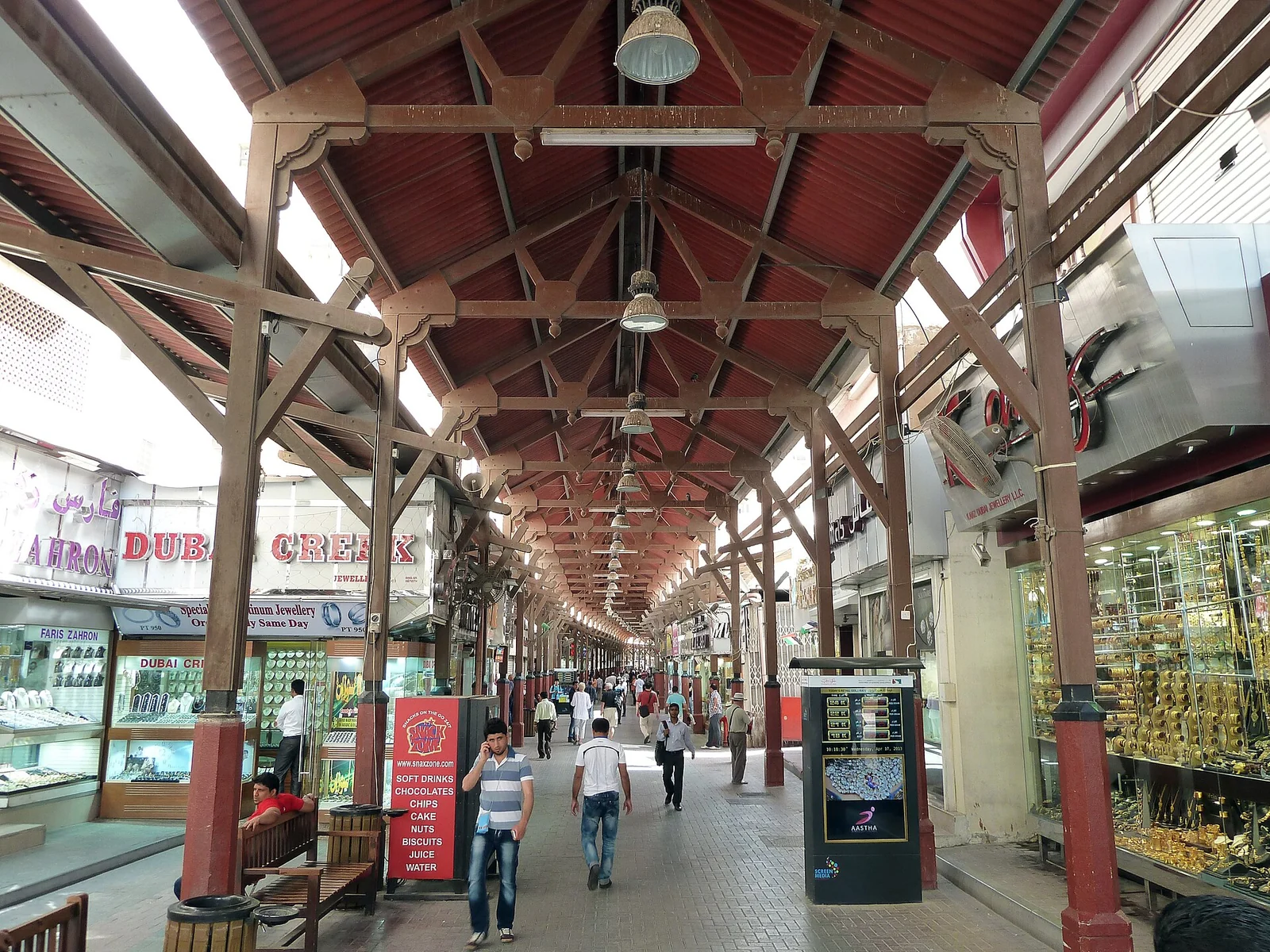
At one point the public record puts gold and guns in the same hands. The US Treasury says AZ Gold is managed by a Sudanese national known as Abu Dharr, who also owns and runs Capital Tap Holding, a UAE-based holding company that “manages 50 companies over ten countries”. Capital Tap, Treasury says, provided the RSF “with money and military equipment”. Abu Dharr is the RSF financier on Britain’s July list.
What reaches the RSF from abroad is documented in dated findings, and the UAE has denied each one that points to it. In 2024 the UN Panel found credible the allegations that weapons and ammunition were unloaded several times a week from cargo planes at Am Djarass airport in Chad for the RSF. The UAE denied involvement and said the flights carried humanitarian aid. A year later the Panel said it was unable to confirm transfers from Am Djarass into Darfur. In May 2025 Amnesty International said Chinese-made guided bombs and howitzers found in Sudan had “almost certainly” been re-exported there by the UAE, a claim the UAE called “baseless”. A draft of the Panel’s 2026 report, seen by Reuters in July 2026, cited four sources saying that Boeing cargo planes had carried fighters, drones and weapons into Darfur for the RSF. In September 2026 the UN fact-finding mission found “reasonable grounds to believe” that a transnational network had supplied the RSF with weapons, logistics, training and foreign personnel, including Colombian contractors, and that individuals and entities linked to the UAE “played a significant role” in it. The UAE rejected the allegations and says it has remained neutral throughout the war.
None of these findings, on either side, traces a particular sale of gold to a particular delivery of weapons. The UN mission’s September report on foreign support does not mention gold at all. Chatham House raises only “the possibility” that gold is flown out of Am Djarass on the planes that bring supplies in. The analyst Andreas Krieg of King’s College London says the corridors that carry drone parts in “can move bullion” out.
Where the two chains meet
Chatham House calls the UAE a hub that both warring parties rely on to clear their financial transactions. It reads the trade data the same way: the 17 tonnes of Sudanese gold the UAE imported in 2023 are likely to include gold from RSF areas and gold smuggled out of army-held areas. Most of the army’s official exports still went to the UAE in 2025, and much of the gold that has gone to Egypt since then is sold on to the UAE. Traders and analysts told Reuters that both forces smuggle. And one state company, Sudamin, is suspected by Britain of paying both.
Sudan is one supplier to a much larger market. The Swiss development group SWISSAID estimates that 435 tonnes of gold were smuggled out of Africa in 2022, and that 405 tonnes of it went to the UAE. In 2023 the UAE overtook Britain to become the world’s second-largest gold exporter.
Europe has moved against the trade itself. On 13 July 2026 the European Union banned buying, importing or transporting Sudanese gold exported after 15 July, whether it comes directly or through another country, and selling mercury and sodium cyanide to Sudan. Switzerland followed with its own ban on buying, importing and moving Sudanese gold, in force from 10 September.
How Sudanese gold changes nationality

The UAE has no gold mines of its own, yet it imports large amounts of African gold, much of it never declared for export in the country it left, SWISSAID found. Once gold reaches Dubai it can be refined, and refining matters in law. Swiss rules, as SWISSAID reads them, treat the last place where gold was processed as its origin, so gold refined in the UAE enters Switzerland as Emirati even if it was dug in Africa. Switzerland is one of the world's main gold-refining and trading centres. In 2024 SWISSAID's Marc Ummel said that for years, smuggled gold potentially tied to conflict had been "legally landing in Switzerland". In the UAE, the Good Delivery accreditation for refiners stayed voluntary, but separate due-diligence rules became mandatory for licensed refineries in January 2023. In 2024, 32 refineries in the UAE were suspended for failing anti-money-laundering rules.
The bans name the gold’s origin, and origin is the hardest thing to see once the gold has been through a refinery. Ummel said in August 2026 that the EU’s rules prohibit indirect imports of Sudanese gold too, but that “there is currently no mechanism in place to control or prevent it.” The UAE points to its refinery rules, and in 2025 a UAE official told AFP that the country “firmly rejects any groundless allegations regarding the smuggling and profiting of gold from Sudan”.
The miners and the markets
The war has driven hundreds of thousands of Sudanese to look for other income, gold prospectors have poured into the north, and some estimates put the number of small-scale miners at about two million. In September 2026 the head of the country’s gold exporters’ division said that only about a quarter of the gold’s value reaches the state treasury. That month the union of mining companies threatened to halt production from 1 October in a dispute over how the central bank buys, prices and pays for gold. The central bank eased its rules from 21 September, letting companies sell to more buyers and hold on to export earnings for longer. By late October there was no public word on whether the companies had dropped the threat.
On Saturday 10 October an air strike hit an informal mining site at Jabal al-Uqaydat, on the border between Sudan and Egypt. The Sudanese rights group Emergency Lawyers said 72 “civilian miners” were killed, a preliminary figure it was still working to verify. The group accused the Egyptian air force. AFP could not confirm the account, and Egypt issued no official comment. A survivor, Sharaf Ali, said thousands of people had been working at the site when it was hit, and that people scattered after the strike, “that’s why no one knows how many exactly were killed”. It was the second attack on the site that year. In June strikes, reportedly by Egypt, had killed 23 workers there.
Egypt’s military said, without directly addressing the allegation, that it was running a campaign against illegal gold mining near the border, aimed at what it called “criminal elements”, and that it had dropped “warning flyers” before the operation. Burhan ordered an investigation into what he called a “painful incident in a border area between Sudan and Egypt”. Al Jazeera found no indication that gold from that border area pays either army. The strike hit miners in a border economy that the war had swollen, on a frontier that Egypt, the army’s ally, treats as a threat to its own security.
Nine days later, on 19 October, a drone strike hit Amiet market in Abyei, a territory claimed by both Sudan and South Sudan. Amiet is a major trading centre for two communities, the Ngok Dinka and the Misseriya. On 20 October Abyei’s caretaker information minister told Reuters that 153 people had been killed. By 21 October Abyei’s authorities put the toll at more than 220, and said more than 8,000 people had fled. The UN peacekeeping force in Abyei separately counted at least 80 dead in the attacks on Amiet and nearby Todach, and was still verifying casualties. Diplomatic sources told Reuters the strike hit a fuel depot that the RSF had used in the past, and diplomats and experts describe Abyei as a transit point for RSF supplies, fuel above all. An eyewitness told Reuters that they saw no RSF or uniformed fighters in the market, where sugar, flour and biscuits were also sold for shipment into Sudan.
Who struck Amiet is disputed, and on 21 October the UN said it could not yet make a formal determination. South Sudanese officials blamed the Sudanese army, without offering evidence. A senior Sudanese officer told AP that the army had struck fuel tankers meant for the RSF and that the dead were RSF members and smugglers, which AP could not verify. On 22 October Sudan’s foreign ministry denied any army involvement, also without evidence, and listed earlier attacks it blamed on the RSF.
Abyei borders Kordofan, which has become a main front of the war. On 12 October the global hunger monitor, the IPC, warned that a drought linked to El Niño was affecting more than half of Sudan and that the risk of famine was rising in Darfur and Kordofan. Britain told the UN Security Council on 16 October that more than 33 million people need humanitarian aid. On 23 October Britain and 31 partners issued a joint ministerial statement on the risk of famine in Sudan.
The buyers’ leverage
The case against putting gold at the centre of this war is serious. The dispute over the RSF’s place in the army set off the fighting, and competition over gold was only one of its drivers. Neither army lives on gold alone. The UN Panel found that the RSF also lived off looted gum arabic, of which local traders counted about 3,700 tonnes taken in the first half of 2024, and charged one million Sudanese pounds for each 20-tonne truckload passing through two border areas towards South Sudan. RSF commanders in Nyala admitted to widespread looting. The army taxes and trades through the state. Chatham House itself warns that sanctioning one gold company or one commander won’t reform the supply chain or calm the war. When the EU announced its ban, the BBC reported warnings that sanctions alone were unlikely to stop the trade unless the big gold hubs tightened their own enforcement.
And the hub states are more than buyers. Chatham House argues that Egypt and the UAE, which back opposing sides, profit from the gold trade in the short term but stand to lose their long-term goals in the Horn of Africa and the Red Sea if Sudan breaks apart further. Egypt sees the war on its border as a security threat. The UAE says it backs neither side, and in April 2026, the UN mission reports, it opened proceedings over alleged transfers of military materiel to the army. The evidence on foreign arms, meanwhile, comes in findings made to a “reasonable grounds” standard, in a 2025 Panel report that could not confirm one supply route, and against denials at every step.
Britain still called gold the engine of the war economy in July 2026, and most of it still ends up in the UAE, directly or through Egypt. Chatham House concludes that the warring parties’ political, military and economic reliance on Egypt and the UAE puts those two governments “in a unique position to persuade the SAF and the RSF to agree a sustainable ceasefire”.
On 8 October the UN Security Council voted unanimously to extend its arms embargo on Darfur until 11 December, but a US proposal to widen it to the whole country failed after Russia and China opposed it. American envoys had argued that a nationwide embargo would make sanctions apply “to all the networks keeping this war alive on both sides, with no carve-outs”. The UN fact-finding mission had asked for the same.
On 21 October, delegations from 21 countries and five international organisations met in Geneva. They included the Quad of the United States, Saudi Arabia, Egypt and the UAE, and the last two are the countries through which most of Sudan’s traceable gold becomes money. Neither the Sudanese government nor the RSF was represented. The participants urged foreign states “to refrain from fueling the war,” naming mercenaries, military equipment, drones and financial support. Pekka Haavisto, the UN Secretary-General’s envoy for Sudan, said both armies still believed they could win, and a seventh meeting was planned with no date or venue.
Related articles
- The ceasefire economy: what actually causes wars to end — and why so many peace agreements collapse
- Why the world’s best agricultural land is increasingly owned by foreign governments
- How far a US sanctions list reaches into a court in The Hague
Further reading
As an Amazon Associate, Eikleaf earns from qualifying purchases. The book links below are affiliate links: if you buy through them, we may earn a small commission at no extra cost to you.
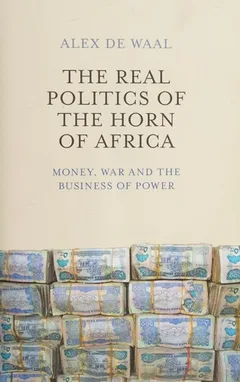 The Real Politics of the Horn of Africa: Money, War and the Business of PowerThe leading Sudan scholar on how armed elites rent loyalty with money, the system Hemedti’s gold empire fits.
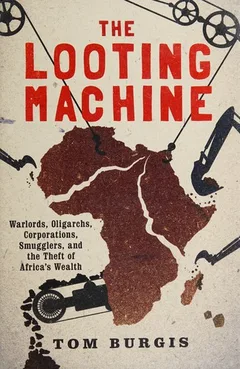 The Looting Machine: Warlords, Oligarchs, Corporations, Smugglers, and the Theft of Africa’s WealthHow mineral wealth funds armed groups and flows out through traders, the mechanism behind Sudan’s conflict gold.
Recommended videos
 16:08How gold keeps Sudan at war | Mapped OutDW’s Mapped Out traces how gold funds both sides of Sudan’s war.
 6:39How smuggled gold is funding the war in SudanCBC on the smuggling routes that move Sudanese gold to buyers abroad.
 2:09Illegal gold exports: Minerals fuelling warring sidesAl Jazeera on illegal gold exports financing the army and the RSF.
Cite this article
Johan Karlsson. “Sudan’s war runs on gold.” Eikleaf, 24 October 2026, updated 25 October 2026. https://www.eikleaf.com/sudan-s-war-runs-on-gold/
Gen AI Disclaimer
Some contents of this page were generated and/or edited with the help of a Generative AI.
Media
Gold Souk, Dubai – Wikimedia Commons (Photo: dconvertini, CC BY-SA 2.0)
Dubai Gold Souk – Wikimedia Commons (Photo: Rob Young, CC BY 2.0)
Key Sources and References
Soliman, Ahmed, and Suliman Baldo. “Gold and the war in Sudan: How regional solutions can support an end to conflict.” Chatham House research paper, 26 March 2025. https://www.chathamhouse.org/2025/03/gold-and-war-sudan
UK Foreign, Commonwealth & Development Office. “UK sanctions illicit gold networks fuelling Sudan’s war amid crisis around El Obeid.” GOV.UK, 16 July 2026. https://www.gov.uk/government/news/uk-sanctions-illicit-gold-networks-fuelling-sudans-war-amid-crisis-around-el-obeid
Bloomberg News. “Warlord-linked Sudanese firm hands over mines.” Mining.com, 5 May 2020. https://www.mining.com/web/warlord-linked-sudanese-firm-hands-over-mines/
Duggal, Hanna, and Marium Ali. “The drones being used in Sudan: 1,000 attacks since April 2023.” Al Jazeera, 3 February 2026. https://www.aljazeera.com/news/longform/2026/2/3/drone-warfare-in-sudan-tracking-1000-aerial-attacks-since-april-2023
UNHCR. “Sudan situation.” Operational Data Portal, last updated 5 October 2026. https://data.unhcr.org/en/situations/sudansituation
Associated Press. “Sudan’s famine risk worsened by conflict, drought and funding shortages, report says.” KSAT, 12 October 2026. https://www.ksat.com/health/2026/10/12/sudans-famine-risk-worsened-by-conflict-drought-and-funding-shortages-report-says/
AFP. “No military solution in Sudan: UN envoy.” Arab News, 21 October 2026. https://www.arabnews.com/middle-east/no-military-solution-in-sudan-un-envoy-3007599
Xinhua. “Sudan’s gold production reaches 70 tons in 2025.” Associated Press of Pakistan, 29 December 2025. https://www.app.com.pk/?p=1137557
Global Witness. “Exposing the RSF’s secret financial network.” December 2019. https://globalwitness.org/en/campaigns/conflict-minerals/exposing-rsfs-secret-financial-network/
Global Witness. “Beneath the shine: a tale of two gold refiners.” July 2020. https://gw.hacdn.io/media/documents/Beneath_the_Shine_-_July_2020.pdf
Panel of Experts on the Sudan. Final report, S/2024/65. UN Security Council, 15 January 2024. https://documents.un.org/doc/undoc/gen/n24/005/64/pdf/n2400564.pdf
Panel of Experts on the Sudan. Final report, S/2025/239. UN Security Council, 17 April 2025. https://documents.un.org/api/symbol/access?s=S/2025/239&l=en&t=pdf
BBC News. “EU bans gold imports from Sudan to curb money financing conflict.” The Star (Kenya), 14 July 2026. https://www.the-star.co.ke/news/world/2026-07-14-eu-bans-gold-imports-from-sudan-to-curb-money-financing-conflict
The National. “Dozens of gold miners killed in Sudan strike, rights and political groups say.” 12 October 2026. https://www.thenationalnews.com/news/mena/2026/10/12/at-least-72-sudanese-gold-miners-killed-in-strike-blamed-on-egypt/
Bloomberg News. “Sudan gold exports to UAE slump after diplomatic ties severed.” Mining.com, 2 April 2026. https://www.mining.com/web/sudan-gold-exports-to-uae-slump-after-diplomatic-ties-severed/
Abdelaziz, Khalid, and Nafisa Eltahir. “Sudan pound suffers as de facto UAE flight ban hits gold exports.” Reuters, 21 October 2025, via Al-Monitor. https://app.al-monitor.com/originals/2025/10/sudan-pound-suffers-de-facto-uae-flight-ban-hits-gold-exports
AFP. “Sudan’s booming wartime gold trade flows through the UAE.” eNCA, 27 March 2025. https://enca.com/business/sudans-booming-wartime-gold-trade-flows-through-uae
Ambri, Anas. “How one Egyptian military-owned company came to dominate Sudan’s conflict trade.” The New Arab, 26 August 2026. https://www.newarab.com/analysis/how-egyptian-state-cashing-sudans-conflict-trade
Sidiahmed, Omer. “Understanding changing gold exports.” Sudan Transparency and Policy Tracker, July 2026. https://sudantransparency.org/understanding-changing-gold-exports/
Martin, Nik, with AFP and AP. “Sudan: Air strikes kill dozens of gold miners on Sudan-Egypt border.” DW via allAfrica, 11 October 2026. https://allafrica.com/stories/202610120126.html
US Department of the Treasury. “Treasury sanctions leader of Sudanese Armed Forces and weapons supplier.” 16 January 2025. https://content.govdelivery.com/accounts/USTREAS/bulletins/3cd1a04
US Department of the Treasury. “Treasury sanctions networks fueling Sudan’s civil war and worsening humanitarian crisis.” 26 June 2026. https://content.govdelivery.com/accounts/USTREAS/bulletins/41dd4a8
Independent International Fact-Finding Mission for the Sudan. “Fuelling Sudan’s conflict: weapons, fighters and external support networks,” A/HRC/63/23 (advance unedited version). UN Human Rights Council, 1 September 2026. https://www.ecoi.net/en/file/local/2144796/a-hrc-63-23-auv.pdf
US Department of the Treasury. “Treasury sanctions Sudanese paramilitary leader, weapons supplier, and related companies.” 7 January 2025. https://content.govdelivery.com/accounts/USTREAS/bulletins/3cb22ba
Radio Dabanga. “New report alleges ‘RSF conflict gold links to UAE firm’.” 3 October 2025. https://www.dabangasudan.org/en/all-news/article/new-report-alleges-rsf-conflict-gold-links-to-uae-firm
Amnesty International. “Sudan: Advanced Chinese weaponry provided by UAE identified in breach of arms embargo.” 8 May 2025. https://www.amnesty.org/en/latest/news/2025/05/sudan-advanced-chinese-weaponry-provided-by-uae-identified-in-breach-of-arms-embargo-new-investigation/
Al Jazeera. “UAE denies supplying Sudan paramilitaries with Chinese arms.” 9 May 2025. https://www.aljazeera.com/news/2025/5/9/uae-denies-supplying-sudan-paramilitaries-with-chinese-arms
Lewis, David, Reade Levinson and Alexander Dziadosz. “Exclusive: Boeings identified in Reuters report carried weapons for Sudanese paramilitary, UN experts find.” The Star (Malaysia), 29 July 2026. https://www.thestar.com.my/news/world/2026/07/29/exclusive-boeings-identified-in-reuters-report-carried-weapons-for-sudanese-paramilitary-un-experts-find
Al-Monitor. “UAE main destination for smuggled African gold, report claims.” 30 May 2024. https://www.al-monitor.com/originals/2024/05/uae-main-destination-smuggled-african-gold-report-claims
Radio Dabanga. “EU bans Sudan gold to target war economy.” 14 July 2026. https://www.dabangasudan.org/en/all-news/article/eu-bans-sudan-gold-to-target-war-economy
Swiss Federal Council. “Federal Council joins EU sanctions against trade in gold from Sudan.” 9 September 2026. https://www.spiezlab.admin.ch/en/newnsb/GksO6McdgUgd
SWISSAID. “On the trail of African gold.” 30 May 2024. https://www.swissaid.ch/en/articles/on-the-trail-of-african-gold/
Radio Dabanga. “Gold exporters accuse influential actors of draining Sudan’s gold wealth.” 25 September 2026. https://www.dabangasudan.org/en/all-news/article/gold-exporters-accuse-influential-actors-of-draining-sudans-gold-wealth
AFP. “72 killed in airstrike on gold mine on Sudan-Egypt border: Rights group.” Khaleej Times, 11 October 2026. https://www.khaleejtimes.com/world/africa/airstrike-gold-mine-sudan-egypt-border-death-toll
AFP. “Egypt military conducts campaign against illegal gold mining near Sudan border.” Khaleej Times, 13 October 2026. https://www.khaleejtimes.com/world/africa/egypt-sudan-border-campaign-illegal-gold-mining
Al Jazeera. “Deadly gold mine air strikes highlight Egypt-Sudan border insecurity.” 12 October 2026. https://www.aljazeera.com/news/2026/10/12/deadly-gold-mine-air-strikes-highlight-egypt-sudan-border-insecurity
Reuters. “Sudanese drone attack kills over 150 people in Abyei market, official says.” bdnews24, 21 October 2026. https://bdnews24.com/world/f4dskscs1c
Sky News, with AP. “At least 153 people killed in drone strike on disputed Sudan-South Sudan region.” Radio X, 21 October 2026. https://www.radiox.co.uk/news/uk-world/at-least-153-people-killed-in-drone-strike-on/
ACAPS. “Sudan.” Country page, crisis update of 21 October 2026. https://www.acaps.org/en/countries/sudan
Sudans Post. “Sudan denies responsibility for deadly Abyei market drone attack.” 23 October 2026. https://www.sudanspost.com/sudan-denies-responsibility-for-deadly-abyei-market-drone-attack/
Radio Tamazuj. “Khartoum denies role in Abyei attack as RSF allies seek probe.” 23 October 2026. https://www.radiotamazuj.org/en/news/article/khartoum-denies-role-in-abyei-killings-as-rsf-allies-seek-probe
Foster, Kate (UK Mission to the UN). “As we remember the victims of El Fasher, the parties need to protect civilians, allow humanitarian assistance to reach those who need it, and choose diplomacy over continued war: UK statement at the UN Security Council.” GOV.UK, 16 October 2026. https://www.gov.uk/government/speeches/as-we-remember-the-victims-of-el-fasher-the-parties-need-to-protect-civilians-allow-humanitarian-assistance-to-reach-those-who-need-it-and-choose-dipl
GOV.UK. “Joint ministerial statement on the risk of famine in Sudan.” 23 October 2026. https://www.gov.uk/government/news/joint-ministerial-statement-on-the-risk-of-famine-in-sudan
Al Jazeera. “UN extends Darfur arms embargo, blocks broader Sudan sanctions proposal.” 9 October 2026. https://www.aljazeera.com/news/2026/10/9/un-extends-darfur-arms-embargo-blocks-broader-sudan-sanctions-proposal
Massoud, Adla. “UN Security Council extends arms embargo in Sudan’s Darfur as US pushes for nationwide ban.” 8 October 2026. https://www.thenationalnews.com/news/us/2026/10/08/un-sudan-arms-embargo/
UN News. “Sudan conflict: Peace efforts resume to end ‘drone war’ fuelling humanitarian crisis.” The Eastleigh Voice, 22 October 2026. https://eastleighvoice.co.ke/sudan/414765/sudan-conflict-peace-efforts-resume-to-end-drone-war-fuelling-humanitarian-crisis
Egypt, Prime Minister. Decree No. 1801 of 2023 (English translation). Middle East Library for Economic Services, 10 May 2023. https://dspace.id.com.eg/items/03e45e8a-0739-4e3d-a157-f1766c95e81b
UAE Ministry of Economy. “Circular No. (2) of 2024 regarding Due Diligence Regulation for Responsible Sourcing of Gold.” 29 March 2024. https://www.moet.gov.ae/documents/20121/0/Circular%2BNo.%2B2%2B2024%2BResponsible%2BSourcing.pdf/758bf949-c177-a612-944d-431ba7010d59?t=1757912608944
Council of the European Union. Council Regulation (EU) 2026/1724 of 13 July 2026 amending Regulation (EU) 2023/2147 concerning restrictive measures in view of activities undermining the stability and political transition of Sudan. Official Journal of the European Union, 14 July 2026. https://eur-lex.europa.eu/eli/reg/2026/1724/oj/eng
The Sudan Times. “Sudan central bank relaxes gold purchase and export rules.” 28 September 2026. https://thesudantimes.com/economy/sudan-central-bank-relaxes-gold-purchase-and-export-rules/
The Rio Times. “Sudan gold exports top US$2.29 billion in 9 months.” 7 October 2026. https://www.riotimesonline.com/sudan-gold-exports-record-2026/
United Nations. “Noon briefing by the Spokesperson for the Secretary-General.” 21 October 2026. https://transcripts.un.org/en/briefing/sg/2026-10-21