Last updated: · 18 min read
In brief
At a 2026 Ethiopian military parade, a banner showed a soldier breaking down a door, aiming at Eritrea’s port of Assab. Three decades earlier, Ethiopian imports were nine-tenths of what Assab took in. Ethiopia had lost its coast but kept its road to the sea. Neighbours now offer port access, stakes and management, but a naval base, a corridor beyond their control and Eritrean land have been refused or blocked. Port fees alone cannot explain that; security and regional standing fit better. Now the two have cut diplomatic ties, and the demand sits on the northern edge of a war.
Contents
In February 2026, in a stadium in Hawassa in southern Ethiopia, Prime Minister Abiy Ahmed staged a parade of the country’s special forces. A banner declared that Ethiopia would not remain landlocked, whether “you like it or not”. Its picture showed a soldier breaking down a door, his aim fixed on the port of Assab, on Eritrea’s Red Sea coast.
Three decades earlier, nobody needed to break a door to use Assab. In 1995, two years after Eritreans voted to leave Ethiopia, more than 2.7 million tonnes of cargo moved along the Assab route, and imports bound for Ethiopia made up 90 percent of everything the port took in. Ethiopia had lost its coastline but kept its road to the sea.
That road now runs through the middle of a crisis. On 1 October 2026 Ethiopia ordered its embassy in Asmara closed, and Eritrea severed diplomatic relations in return. Both governments then wrote to the UN Security Council, each accusing the other of aggression. In mid-October federal troops reached the border town of Zalambessa, and Eritrean troops were reported pulling back across the frontier there, though some stayed on the Ethiopian side of it. By 22 October the Ethiopian army had left Rama and the surrounding border areas, and Tigrayan rebel fighters were back in Rama. On 5 October, sworn in for a new term, Abiy had told parliament that his government would “work diligently to ensure that Ethiopia has an outlet to the sea”.
Ethiopia had about 135 million people in 2025, more than any other landlocked country, and its trade reaches the sea every day. So the question is what, exactly, its government is asking for, and how that demand came to sit on the northern edge of a war.
A coast held by federation, then by force
Ethiopia held a coast for only about four decades. Italy governed Eritrea for more than half a century from 1890, and after Italy’s defeat in the Second World War the British military ran it. On 2 December 1950 the UN General Assembly decided what came next. Its resolution 390 (V) made Eritrea “an autonomous unit federated with Ethiopia under the sovereignty of the Ethiopian Crown”. Among the considerations the Assembly listed was “Ethiopia’s legitimate need for adequate access to the sea”, and it placed ports among the federal powers.
The arrangement put the coast under the Ethiopian Crown, but inside a federation that also gave Eritrea its own government. It did not make Eritrea an Ethiopian province. The federation took effect on 11 September 1952. An armed independence struggle began in 1961, as an Eritrean official later told a UN body, and in 1962 Emperor Haile Selassie annexed Eritrea outright, abolishing its autonomy and making it a province. The UN had written Ethiopia’s need for the sea into a settlement that ended in annexation and a thirty-year war.
That war ended in 1991, when Eritrean rebels, who had helped overthrow the military regime of Mengistu Haile Mariam, took Asmara and set up their own government. In July 1991 a conference of Ethiopian parties in Addis Ababa formally recognised the right of Eritreans to decide their future in an internationally supervised referendum, and Ethiopia’s transitional government, led by Meles Zenawi, committed itself to respect the result. The vote came in April 1993. Turnout was 98.24 percent, and 99.8 percent voted for independence. The UN’s special representative judged the process “free and fair at every stage”. The split was amicable at first. Ethiopia’s coastline was gone.
A navy without a coast

Ethiopian state media date the founding of the country's navy to 1956. The navy did not survive the loss of the coast. In March 1996 what was left of it, 16 ships and some 250 sailors, lay at a dock in Djibouti, waiting to be auctioned. The merchant fleet carried on: Ethiopian Shipping Lines kept operating cargo ships after 1993. In March 2019 France signed a defence accord with Ethiopia, and President Emmanuel Macron said it opened the way for France to help establish "an Ethiopian naval component". Two years later the French defence ministry described the results: a letter of intent with no legal force, organisational support and initial training, and no ships exported. The Ethiopian navy, the ministry wrote, was still being defined, with no operational capability and no naval base. In October 2026 the navy's commander told state television that it had completed a new headquarters, opened a training academy in Bishoftu and set up marine commando battalions. When state media ran an article that month about rebuilding the navy, Eritrea's information minister replied that "Annexation and forceful occupation do not confer historical or legal title to the occupying entity."
Five years on Eritrea’s road
Losing the coast did not mean losing the port. After 1991 the Assab route became Ethiopia’s main corridor to the world, and it stayed that way after Eritrea became independent. Traffic along it grew from 700,000 tonnes in 1991 to more than 2.7 million tonnes in 1995. Goods came off ships in Assab and travelled 882 kilometres by road to Addis Ababa. For Eritrea’s first five years of independence, Ethiopia relied on that port for most of its foreign trade.
The arrangement carried frictions from the start. An Ethiopian economist later argued that the smuggling of Ethiopian contraband through Eritrean ports, and Asmara’s manipulation of its nakfa currency, strained relations and contributed to the conflict that followed. In May 1998 skirmishes broke out around the border town of Badme, and the two countries went to war.
The war closed the Assab corridor at once. Ethiopia’s trade did not stop; it moved. Traffic at the port of Djibouti rose from 1.7 million tonnes in 1997 to 3.1 million tonnes in 1998, as the Ethiopian traffic that had used Assab, food aid included, went there instead. Estimates of the dead in the 1998–2000 war range from about 70,000 to more than 100,000. A peace agreement in December 2000 created a boundary commission whose ruling was to be “final and binding”. In April 2002 the commission gave Badme to Eritrea. Ethiopia rejected the ruling and kept its troops in place.
Independence in 1993 had taken Ethiopia’s coastline, and the war of 1998 took its route through Eritrea. Five years of access by agreement had depended on two governments staying on good terms.
The reopening that never came
After the war ended in 2000, the border dispute stayed unresolved for eighteen years. Then, in June 2018, Abiy, Ethiopia’s new prime minister, said Ethiopia would accept the 2002 ruling. On 8 July he arrived in Asmara, and on 9 July the two governments agreed that the Eritrean ports of Massawa and Assab would open to Ethiopian shipments at cheaper rates. Speaking in Addis Ababa that month, with Eritrea’s president Isaias Afwerki present, Abiy told a raucous crowd: “when Isaias and I are added together we share Assab”.
September brought signs that he might be right. On 5 September an Ethiopian vessel docked at Massawa to carry some 11,000 tonnes of Eritrean zinc to China. The same day Abiy visited Assab, and he and Isaias drove the road of about 70 kilometres from the port to the border crossing at Bure, with plans announced to modernise the port and widen the road. On 11 September the two leaders reopened the crossings at Zalambessa and Bure for the first time in twenty years.
Those September events promised less than they seemed to. The ship at Massawa was Ethiopian, but its cargo was Eritrean, and Massawa is not Assab. What the reopening promised, Ethiopian goods moving through Assab again, never happened. In late December 2018 Eritrea closed the Zalambessa and Rama crossings to Ethiopians. At the time it was unclear why; a later study attributed the closure to Eritrea’s fear of a mass exodus. In April 2019 Eritrea shut the Bure crossing on the Assab road as well, on its own side, and gave no reason. Ethiopia did not use Assab at any point during the warming of relations from 2018 to 2022, and neither government has explained why the arrangement announced in 2018 never materialised. Friendship between the two leaders had not, by itself, brought Ethiopian cargo back to the port.
Assab had other tenants in those years. From September 2015 the United Arab Emirates built a port and expanded an airstrip there as a base for its war in Yemen, on a 30-year lease from Eritrea; by February 2021 the Emiratis were dismantling parts of it. When Abiy visited in 2018, the port’s business had been down for two decades, ever since it lost Ethiopia, its main market.
Abiy received the Nobel Peace Prize in 2019 for the rapprochement. In November 2020 war broke out in Tigray, and Eritrean troops fought beside Ethiopia’s federal army against the Tigray People’s Liberation Front (TPLF), the party that had run the region. When that war ended with an agreement signed in Pretoria in November 2022, Eritrea was not a party to it, and relations between Asmara and Addis Ababa soured quickly.
How a landlocked country reaches the sea
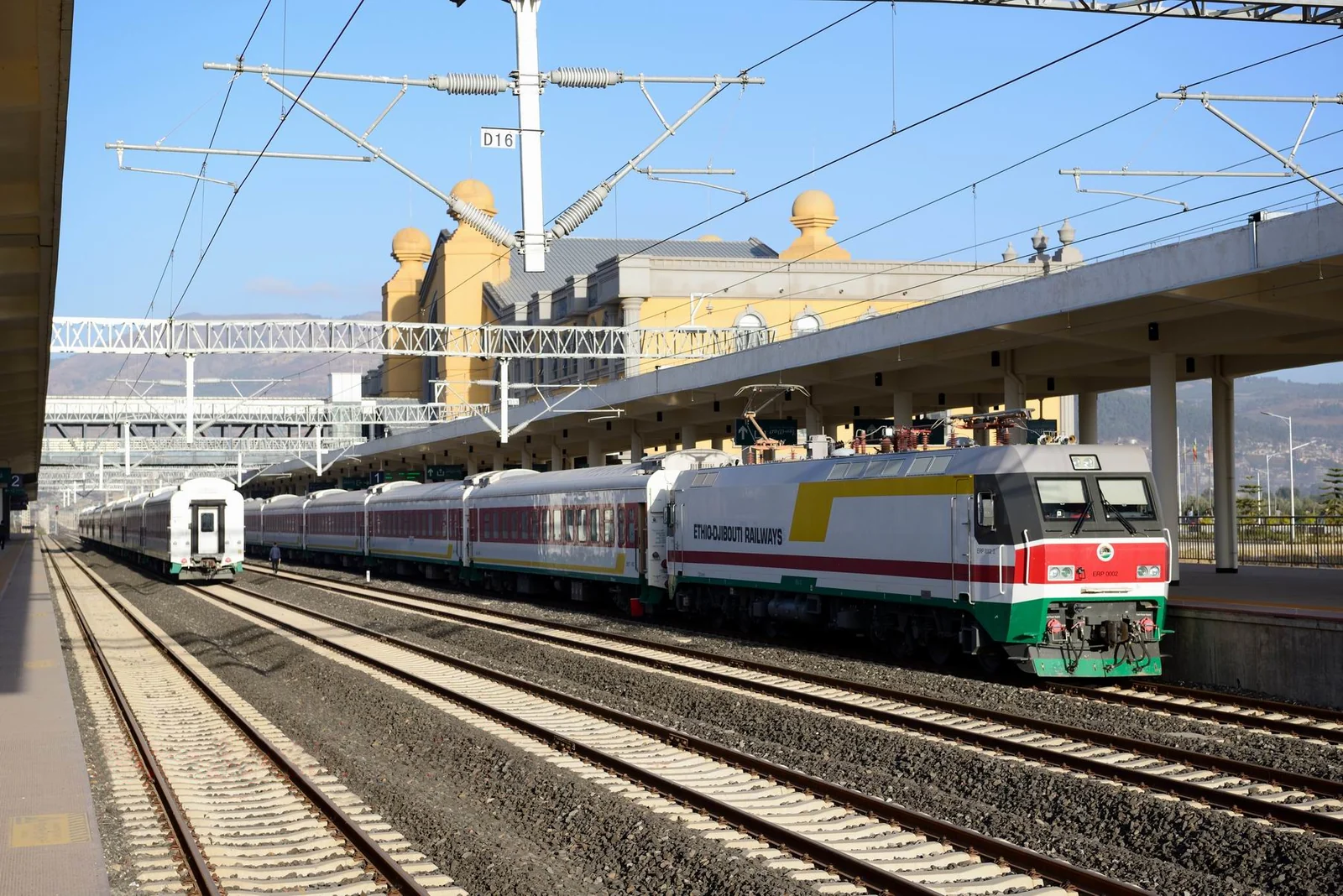
What replaced Assab was overwhelming dependence on Djibouti. In 2021 about 95 percent of Ethiopia’s imports and exports went through the port of Djibouti, with Somaliland’s port of Berbera taking 3 percent and Port Sudan 2 percent. Trucks reach Djibouti along two road corridors, and an electric railway of more than 750 kilometres, built jointly by the two countries, has carried freight between Addis Ababa and the coast since commercial service began on 1 January 2018.
International law gives Ethiopia less to stand on than it might seem. The UN Convention on the Law of the Sea gives landlocked states a right of access to the sea and “freedom of transit through the territory of transit States by all means of transport”, but it leaves the terms and modalities of that transit to be “agreed between” the landlocked state and the transit state. Ethiopia signed the convention in 1982 and never ratified it. Djibouti ratified it in 1991, and Eritrea has never joined. Ethiopia’s access through Djibouti rests on a bilateral treaty signed in 2002. The convention bars customs duties and taxes on transit traffic while allowing charges for specific services, and it says nothing about what those services should cost. It also leaves the transit state “full sovereignty” over its territory and the right to take every measure needed to protect its legitimate interests.
The 2002 treaty behind Ethiopia's trade

Djibouti was not a new partner when the Assab road closed. Before 1974, about 60 percent of Ethiopia's foreign trade, some 300,000 tonnes a year, already went through its port. The 1998 war sent almost everything back that way at once, and the two governments then wrote the relationship down. In April 2002 they signed an "Agreement on port utilization and the transit of goods towards Ethiopia", which both parliaments ratified. It rested on the major UN conventions and on the principle of free access to the sea for landlocked countries. In 2003, a UN review described the machinery built around it: a joint committee of experts meeting every three months and a committee of ministers every six. Access by agreement, in this case, meant a treaty written after a war, committees that met on a timetable, and later a railway the two countries built together.
Rights on paper do not decide prices. Ethiopian officials often complain about the high fees Djibouti charges and about its run-down port infrastructure, and they fear that the routes from Addis Ababa to the coast, the railway included, are open to attack or sabotage. With no other port able to meet Ethiopia’s needs, Djibouti has had the upper hand over rents, rates and transit fees. The dependence runs both ways, though. Djibouti’s economy is built on transit and relies heavily on trade with Ethiopia, and a small state that lives on a neighbour’s cargo cannot squeeze that neighbour without limit.
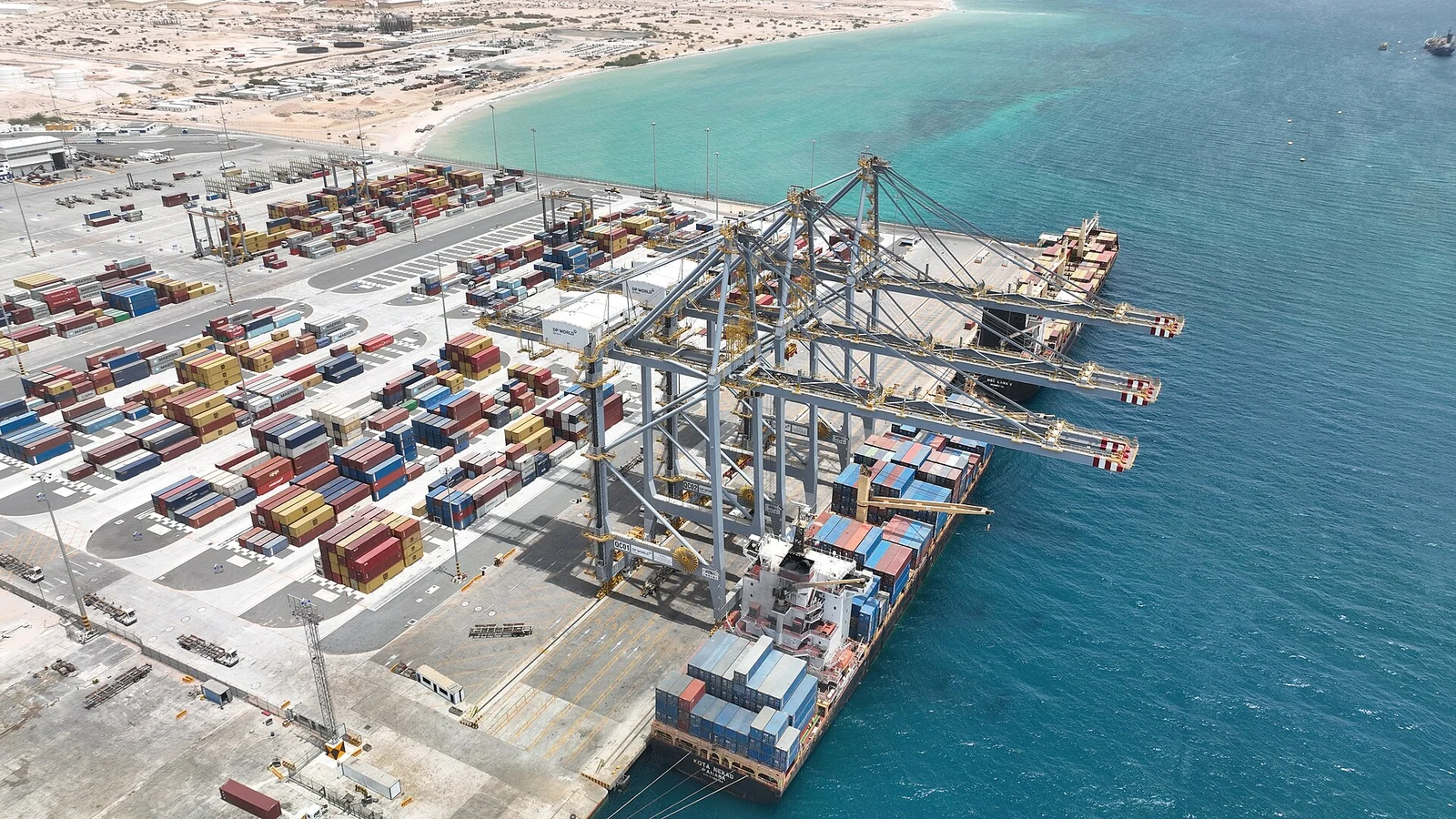
Ethiopia has tried before to add a second port by buying into one. In March 2018 it agreed to take a 19 percent stake in Berbera, in a deal with Somaliland and the Emirati operator DP World. The agreement collapsed in 2022, when Addis Ababa reportedly failed to meet its financial commitment.
Four kinds of access
The talks since 2023 have turned on four different kinds of arrangement, and each asks something different of the country that owns the shore. The first is transit: goods cross a neighbour’s land and use its ports on negotiated terms, as Ethiopia’s do through Djibouti. The second is investment, a share in a port or the right to manage one, like the Berbera stake agreed in 2018; it still needs transit to reach the port. The third is a military base on another state’s coast, held under a lease that can leave sovereignty with the host, as the Emirati base at Assab did. The fourth is sovereignty over the coast itself. The arrangements can be combined, and a lease can carry more or less control, but only the fourth takes territory from a neighbour.
Abiy’s demands since 2023 have ranged across the last three. In October 2023 he told parliament that “A population of 150 million can’t live in a geographic prison.” He suggested that neighbours could take shares in the Grand Ethiopian Renaissance Dam on the Nile or in Ethiopian Airlines in return for stakes in their ports, and he recalled a nineteenth-century warrior, Ras Alula, who had called the Red Sea Ethiopia’s “natural boundary”. Djibouti’s answer, from a presidential adviser, was that its territorial integrity “is not questionable, neither today nor tomorrow”.
In January 2024 Ethiopia signed a memorandum of understanding with Somaliland, the breakaway north of Somalia. Ethiopia described a 50-year lease for a naval base and commercial maritime services. Somaliland’s president later said the 20 kilometres of coast to be leased would house a naval base, while Ethiopian imports and exports would keep using the port of Berbera, and that Ethiopia would recognise Somaliland as independent in return. Ethiopia said only that it would make an assessment towards a decision on recognition. The deal brought protesters onto the streets of Mogadishu, where one banner called Ethiopia “landlocked by nature”. In December 2024, in a declaration brokered by Türkiye in Ankara, Ethiopia and Somalia agreed instead to pursue commercial arrangements, “including contract, lease, and similar modalities”, that would give Ethiopia access to the sea “under the sovereign authority” of Somalia. In Crisis Group’s judgement, that ended Abiy’s hopes of a naval base in Somaliland and turned his attention back to Assab. A year later, in December 2025, Israel became the first country to recognise Somaliland formally.
Djibouti, meanwhile, made offers. In late August 2024 its foreign minister announced that Djibouti would offer Ethiopia “100% management” of a harbour at Tadjoura. In June 2025 Djibouti’s president, Guelleh, said an Ethiopian delegation had asked for something else: “a corridor with extraterritoriality” between the Ethiopian border and Tadjoura, and a naval base. By Guelleh’s account Djibouti had proposed shared management of the port and turned the request down. Both accounts are Djibouti’s. Asked about the 2024 offer, two Ethiopian government spokespeople did not reply. In October 2025 the port of Tadjoura signed a framework agreement for a 30-year concession with a Saudi operator, Red Sea Gateway Terminal, and how that concession fits with the offers to Ethiopia is unclear.
Over Assab, Abiy’s words have cycled. In March 2025 he said that Ethiopia did “not have any intention of engaging in conflict with Eritrea for the purpose of gaining access to the sea”, while calling access an existential matter. In September 2025 he said the loss of the Red Sea, which “was in our hands 30 years ago … will be corrected”. On 28 October 2025 he went further and questioned whether Eritrea’s secession had been lawful at all. Neither Ethiopia’s parliament nor its cabinet nor its people had made the decision, he argued, and “the fact that none of these institutions were involved shows that the process was illegal”. The record says otherwise: an Ethiopian conference recognised the referendum, Ethiopia’s government pledged to respect it, and the UN judged the vote free and fair. In the same speech Abiy called the demand “irreversible” and said Ethiopia had “no intention of going to war with Eritrea”. In November 2025 Ethiopia’s ambassador to Kenya, a retired general, put it more bluntly: “The question now is not whether Assab is ours or not, but how do we get it back?”
Ethiopia’s official line is peace, dialogue and, in Abiy’s October 2026 phrase, “give and take”. The neighbours’ answers differ. By February 2026, Eritrea had rejected direct mediation on the question without preconditions, believing Ethiopia is trying to bully it into concessions. Somalia’s president said in October 2026 that he did not object to Ethiopia securing commercial access through Somali ports, provided it was agreed with Somalia. On 12 October Somaliland’s foreign minister said Berbera was running at about 30 to 40 percent of capacity and was ready for Ethiopian cargo, though he announced no new deal.
The commercial proposals all stop short of what Ethiopian officials have pressed for. Djibouti says it has offered management and equity, Somalia accepts access under its own sovereignty, and Somaliland says Berbera has room. What has been refused or blocked is a naval base, a corridor outside the host state’s control, and Eritrean land. Our reading is that port fees alone cannot explain the gap, since fees are the one thing every offer leaves open to bargaining. The refused requests fit two other motives better: the security of a route that Ethiopian officials fear can be cut, and the standing of a regional power. Control of a seaport also fits Abiy’s ambition, shared with Ethiopian leaders before him, to restore Ethiopia’s dominant position in the region. Neither motive is answered by a better tariff.
A civil war with a coastline
The war that brought the demand to the Eritrean border did not start over the sea. Tigrayan forces are themselves divided. The TPLF’s fighters are fighting the government, while the Tigray Peace Force, made up of former members of the TPLF’s armed wing, fights on the government’s side. Fano, the Amhara militias that fought for the federal government in 2020–22, now fight against it. In May 2026 the TPLF restored the regional council that had existed before the last war and installed its chairman, Debretsion Gebremichael, as regional president, in breach of the Pretoria deal. On 20 September seven armed groups, the TPLF and a Fano movement among them, announced an alliance to overthrow Abiy’s government, and on 23 September the rebels launched an offensive across Tigray, Amhara and Afar. By early October, fighting in Afar had driven tens of thousands of people from their homes.
Eritrea has changed sides. Its troops fought beside the federal army in the 2020–22 war, a war estimated to have killed hundreds of thousands of people, and it was then left out of the Pretoria agreement, which bars “collusion with any external force hostile to either party”. In the two years before September 2026, Eritrea reconciled with the TPLF as Abiy began demanding Red Sea access, which Asmara took as a claim on its coast. The sea was not the only cause; Egypt’s rivalry with Ethiopia over the Nile runs through the same alliances. Ethiopia accuses Eritrea, Sudan and Egypt of backing the rebel alliance, and all three deny it. Pressure has run the other way too. Crisis Group reported in February 2026 that Ethiopia was openly hosting an armed group that aims to overthrow Eritrea’s government, and an Afar nationalist group that claims southern Eritrea, Assab included. Debretsion, for his part, said in early October that “the war is regional and it is a war to control the Red Sea”.
The rupture with Asmara came fast. When Eritrea cut ties on 1 October, its government said Ethiopia had waged war on it to gain access to the Red Sea. Ethiopia told the Security Council that Eritrean troops had advanced up to 60 kilometres into Tigray, which its foreign minister called “a blatant act of aggression that engages Ethiopia’s inherent right to self-defence”. Eritrea asked the Council to condemn Ethiopia’s “deplorable declaration of war”, citing a statement by an Ethiopian deputy chief of staff that Mekelle, Tigray’s capital, was a “stop-over” towards invading Eritrea. Eritrea denied that its forces had entered Tigray to back the rebels. On 9 October the UN Secretary-General called for an immediate cessation of hostilities. Five days earlier, at New Alamein in Egypt, the leaders of Egypt, Eritrea, Somalia and Sudan had declared the governance of the Red Sea the exclusive responsibility of the states on its shores.
On the ground, the federal army and its allies took Mekelle in the first days of October, and on 16 October Abiy named a caretaker administration for Tigray for six months. On 13 October the army reached Zalambessa, and on 15 October Eritrean troops were reported withdrawing across the border there. Three days later some were still on the Ethiopian side near the border, Zalambessa included. Within a week of the withdrawal reports the federal side pulled back: by 22 October neither the army nor the Tigray Peace Force remained in Rama or the border areas around it. The war in Tigray went on. On the night of 20 October a drone strike hit a truck of goats and sheep in Finarwa, south-west of Mekelle, and four people were reported killed. On 22 and 23 October rebel commanders vowed to keep fighting.
Abiy’s message to Asmara hardened in the same week. In a Tigrinya-language interview on state television on 19 October, he warned Eritrea’s leaders of extremely severe consequences if they kept rejecting calls for peaceful relations and urged them not to align with forces seeking confrontation with Ethiopia. In the same interview he described Assab as uninhabited. A domestic war had acquired an international border, and the sea demand was part of the reason the former ally stood on the other side of it.
What would satisfy Addis Ababa
Commercial agreements could reduce Ethiopia’s dependence on Djibouti, but the prices, inland connections and guarantees of any new route would still have to be settled, and diversified access has costs of its own: fees that never end, investment Ethiopia must actually pay for, as the failed Berbera investment showed, and goods that still cross other states’ land. In February 2026 Crisis Group urged the neighbours to help Ethiopia find “affordable, diversified, secure and reliable outlets for maritime commerce”, while warning that its ambitions to become a Red Sea power “would remain unfulfilled”. It judged that “Short of a devastating war, it is hard to see how Ethiopia will achieve the most ambitious versions of its demand for coastal territory”, and that an attack on Assab would leave Ethiopia dangerously exposed on other fronts.
Such agreements would leave Ethiopia’s demands for a military base and for coastal territory unresolved. A navy needs a base. The navy Ethiopia began rebuilding in 2019 had none of its own in 2021, by the French government’s account, and its commander’s account of progress in October 2026 listed a headquarters, an academy and commando battalions, but no base. None of the commercial offers made public includes one. A negotiated base need not transfer sovereignty. Demands to reclaim Assab go further, and Eritrea can point to what Ethiopian officials have said: a prime minister calling its secession illegal and an ambassador asking how to get Assab back. In March 2025 Eritrea’s information minister called Ethiopia’s ambitions for “maritime access and naval base” misguided and outdated. Crisis Group observed in February 2026 that this time all the belligerent noises about the injustice of Ethiopia lacking its own port had come from Addis Ababa.
The narrowest version of the gap is in Djibouti. In April 2026 the chairman of Djibouti’s port authority said his government had offered Ethiopia a 60 percent share of the port of Tadjoura, and that Ethiopia had declined, “seeking a corridor on top of the equity stake”. Djibouti, he said, remained open. In June 2025 Djibouti’s president had described the corridor Ethiopia wanted as extraterritorial, with a naval base attached. By Djibouti’s account, in April 2026 it was still offering Ethiopia most of a port, but not control of the land between that port and Ethiopia.
At Assab, the land between the port and Ethiopia is a road of about 70 kilometres to the border town of Bure, the road Abiy and Isaias drove together in September 2018.
Related articles
- Sudan’s war runs on gold
- The invention of the nation-state: why the world’s default political unit is only 200 years old and already cracking
- What happens to a country’s debt when it ceases to exist
Further reading
As an Amazon Associate, Eikleaf earns from qualifying purchases. The book links below are affiliate links: if you buy through them, we may earn a small commission at no extra cost to you.
- I Didn’t Do It for You: How the World Betrayed a Small African Nation — Michela Wrong (2005). The history of Eritrea, Assab and the coast Ethiopia lost, told through colonial and Cold War episodes.
- Understanding Eritrea: Inside Africa’s Most Repressive State — Martin Plaut (2016). Background on the Eritrean state Ethiopia would have to deal with over access to the sea.
- A History of Modern Ethiopia, 1855-1991 — Bahru Zewde (1991). The standard history of modern Ethiopia, including how it gained and lost its coastline.
- Layers of Time: A History of Ethiopia — Paul B. Henze (2000). A long-view general history of Ethiopia for readers new to the country.
Recommended videos
 6:17Ethiopia’s push for Red Sea access risks regional war, warns former US officialAl Jazeera on why Ethiopia’s Red Sea push risks a wider regional war.
 3:10Ethiopian PM Abiy demands Red Sea access as tensions with neighbours riseAl Jazeera on Abiy’s demands for sea access and rising tensions with Eritrea.
 17:06Why Ethiopia is Creating a New Country Next DoorPolyMatter on Ethiopia’s Somaliland port deal and its search for a coastline.
Cite this article
Owen Parker. “Ethiopia already reaches the sea. Why does it want a coast?.” Eikleaf, 24 October 2026, updated 25 October 2026. https://www.eikleaf.com/ethiopia-already-reaches-the-sea-why-does-it-want-a-coast/
Gen AI Disclaimer
Some contents of this page were generated and/or edited with the help of a Generative AI.
Media
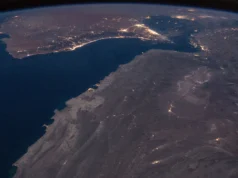
Assab Bay, Eritrea, from the International Space Station (NASA) – Wikimedia Commons
Port of Berbera – Wikimedia Commons
Key Sources and References
United Nations General Assembly. “Resolution 390 (V): Eritrea.” 2 December 1950. https://documents.un.org/api/symbol/access?s=A/RES/390(V)&l=en&t=pdf
United Nations. “Report of the Secretary-General on the United Nations Observer Mission to Verify the Referendum in Eritrea (UNOVER).” A/48/283, 11 August 1993. https://documents.un.org/api/symbol/access?s=A/48/283&l=en&t=pdf
US Department of State, Office of the Historian. “Editorial Note.” Foreign Relations of the United States, 1952–1954, Vol. XI, Part 1, document 191. https://history.state.gov/historicaldocuments/frus1952-54v11p1/d191
United Nations Economic and Social Council. “Summary record of the 16th meeting.” E/2002/SR.16, 2002. https://digitallibrary.un.org/record/494227/files/E_2002_SR.16-EN.pdf
United Nations. “United Nations Convention on the Law of the Sea,” Articles 125 and 127. 1982. https://www.un.org/depts/los/convention_agreements/texts/unclos/unclos_e.pdf
United Nations Treaty Collection. “Status: United Nations Convention on the Law of the Sea (XXI-6).” Accessed 24 October 2026. https://treaties.un.org/Pages/ViewDetailsIII.aspx?src=TREATY&mtdsg_no=XXI-6&chapter=21&Temp=mtdsg3&clang=_en
Cabanius, Philippe. “Improvement of Transit Systems in the Horn of Africa.” UNCTAD/LDC/2003/4, UNCTAD, 7 April 2003. https://unctad.org/node/10804
World Bank. “Djibouti Regional Economic Corridor Project: Project Appraisal Document.” PAD4404, 23 November 2021. https://documents1.worldbank.org/curated/en/850181641925218427/pdf/Djibouti-Regional-Economic-Corridor-Project.pdf
International Crisis Group. “Ethiopia, Eritrea and Tigray: A Powder Keg in the Horn of Africa.” Africa Briefing N°210, 18 February 2026. https://www.ecoi.net/en/file/local/2137710/b210-ehtioipia-eritrea-tigray.pdf
Peace Research Facility and Rift Valley Institute. “Understanding Ethiopia–Eritrea Relations since 2018.” June 2024. https://riftvalley.net/wp-content/uploads/2024/06/Understanding-Ethiopia-and-Eritrea-update-1.pdf
Republic of Türkiye, Ministry of Foreign Affairs. “Ankara Declaration by the Federal Democratic Republic of Ethiopia and the Federal Republic of Somalia.” 11 December 2024. https://www.mfa.gov.tr/etiyopya-federal-demokratik-cumhuriyeti-ve-somali-federal-cumhuriyeti-nin-ankara-bildirisi.en.mfa
Assemblée nationale (France). “Question écrite n° 36662, réponse du ministère des Armées.” Journal officiel, 7 September 2021. https://questions.assemblee-nationale.fr/dyn/15/questions/QANR5L15QE36662.pdf
Reuters (via The Christian Science Monitor). “One Not-Very-Used African Navy for Sale.” 15 March 1996. https://www.csmonitor.com/1996/0315/15153.html
Ethiopian Broadcasting Corporation. “Modern Headquarters Marks New Era for Ethiopian Navy.” 16 October 2026. https://www.ebc.et/english/Home/NewsDetails?NewsId=8936
African Union. “Agreement for Lasting Peace through a Permanent Cessation of Hostilities between the Government of the Federal Democratic Republic of Ethiopia and the Tigray People’s Liberation Front.” Pretoria, 2 November 2022. https://zoek.officielebekendmakingen.nl/blg-1087715.pdf
ACLED. “Ethiopia Alerts archive.” Entries for 15–22 October 2026. https://acleddata.com/ethiopia-alerts-archive
Reuters (via Gulf News). “Ethiopia, Eritrea reopen border points for first time in 20 years.” 11 September 2018. https://gulfnews.com/world/africa/ethiopia-eritrea-reopen-border-points-for-first-time-in-20-years-1.2277276
Anadolu Agency. “Ethiopian PM visits strategic Eritrean ports.” 5 September 2018. https://aa.com.tr/en/africa/ethiopian-pm-visits-strategic-eritrean-ports/1246828
Maasho, Aaron. “Ship docks, road upgrade planned as Eritrea, Ethiopia ties strengthen.” Reuters (via Euronews), 5 September 2018. https://www.euronews.com/2018/09/05/ship-docks-road-upgrade-planned-as-eritrea-ethiopia-ties-strengthen
Associated Press (via Fox News). “Eritrea closes border crossings to Ethiopian travelers.” 28 December 2018. https://www.foxnews.com/world/eritrea-closes-border-crossings-to-ethiopian-travelers
Africanews. “Eritrea shuts all borders with Ethiopia unilaterally.” 23 April 2019. https://www.africanews.com/2019/04/23/eritrea-shuts-all-borders-with-ethiopia-unilaterally/
Associated Press (via VOA). “UAE dismantles Eritrea base as it pulls back after Yemen war.” 18 February 2021. https://www.voanews.com/a/africa_uae-dismantles-eritrea-base-it-pulls-back-after-yemen-war/6202212.html
AFP (via Kuwait Times). “Ethiopia hopes Eritrea peace will bring prosperity.” 21 July 2018. https://kuwaittimes.com/ethiopia-hopes-eritrea-peace-will-bring-prosperity/
AFP (via The Citizen). “Ethiopia and Eritrea: decades of dispute over a border.” 9 July 2018. https://www.thecitizen.co.tz/tanzania/news/international/ethiopia-and-eritrea-decades-of-dispute-over-a-border-2645746
Bloomberg (via AJOT). “Djibouti latest nation to reject Ethiopia’s Red Sea access plea.” 19 October 2023. https://www.ajot.com/news/djibouti-latest-nation-to-reject-ethiopiaas-red-sea-access-plea
Bloomberg (via AJOT). “Djibouti sees positive Ethiopia response to port-access plan.” 4 September 2024. https://www.ajot.com/news/djibouti-sees-positive-ethiopia-response-to-port-access-plan
Capital (Addis Ababa). “Djibouti says Ethiopia rejected port stake, preferring corridor access.” 11 April 2026. https://capitalethiopia.com/2026/04/11/djibouti-says-ethiopia-rejected-port-stake-preferring-corridor-access/
The Eastleigh Voice. “Djibouti rejects Ethiopia’s request for port corridor, naval base.” 13 June 2025. https://eastleighvoice.co.ke/ethiopia%20port%20deal/163569/djibouti-rejects-ethiopia-s-request-for-port-corridor-naval-base
Dolce, Marilena. “Gibuti dice no all’Etiopia: ‘Non saremo la Crimea del Corno d’Africa’.” Affaritaliani, 20 June 2025. https://www.affaritaliani.it/esteri/gibuti-respinge-l-etiopia-non-siamo-la-crimea-del-corno-d-africa-974854.html
Djibouti Ports and Free Zones Authority. “Framework Agreement Signed for the 30-Year Concession of the Port of Tadjourah.” 3 November 2025. https://www.dpfza.gov.dj/index.php/framework-agreement-signed-30-year-concession-port-tadjourah
Associated Press (via Arab News). “Abiy’s vision of Ethiopia includes a seaport in Eritrea. Some see a looming conflict.” 28 February 2026. https://www.arabnews.com/node/2634754/world
Associated Press (via Fox News). “Leader of Somalia’s breakaway Somaliland says deal with Ethiopia will allow it to build a naval base.” 26 January 2024. https://www.foxnews.com/world/leader-somalias-breakaway-somaliland-says-deal-ethiopia-allow-build-naval-base.amp
Bloomberg (via AJOT). “Ethiopia to assess Somaliland recognition under sea access deal.” 3 January 2024. https://www.ajot.com/news/ethiopia-to-assess-somaliland-recognition-under-sea-access-deal
AFP (via Malay Mail). “Somalia, African Union slam Israel’s recognition of Somaliland as independent state.” 27 December 2025. https://www.malaymail.com/news/world/2025/12/27/somalia-african-union-slam-israels-recognition-of-somaliland-as-independent-state/203409
Reuters (via Citizen Digital). “Ethiopia’s Abiy rules out war with Eritrea over Red Sea access.” 21 March 2025. https://citizen.digital/article/ethiopias-abiy-rules-out-war-with-eritrea-over-red-sea-access-n359600
World Bank. “Population, total (SP.POP.TOTL): Ethiopia.” World Development Indicators, updated 8 October 2026. https://api.worldbank.org/v2/country/ETH;ERI;DJI/indicator/SP.POP.TOTL?format=json&date=2023:2025
Ethiopian News Agency. “EDR Secures Over 20m USD in Revenue.” 8 August 2019. https://www.ena.et/web/eng/w/en_9072
Solomon, Mussie. “Ethiopia’s maritime ambitions and the threat to regional order.” Geeska (opinion), 23 May 2026. https://www.geeska.com/en/ethiopias-maritime-ambitions-and-threat-regional-order
AFP (via Arab News). “Ethiopia calls for international mediation with Eritrea over sea access.” 28 October 2025. https://www.arabnews.com/node/2620634/world
BBC Monitoring (via The Namibian). “Escalating war of words between Ethiopia and Eritrea triggers fears of conflict.” 23 November 2025. https://www.namibian.com.na/escalating-war-of-words-between-ethiopia-and-eritrea-triggers-fears-of-conflict/
Horn Diplomat (via AllAfrica). “Somaliland Backs Ethiopia’s Sea Access, Urges Dialogue.” 12 October 2026. https://allafrica.com/stories/202610120321.html
Reuters (via Somaliland Chronicle). “Ethiopia, France sign military, navy deal, turn new page in ties.” 13 March 2019. https://somalilandchronicle.com/2019/03/13/ethiopia-france-sign-military-navy-deal-turn-new-page-in-ties/
Reuters (via TimesLive). “Seven Ethiopian armed groups announce anti-government alliance.” 21 September 2026. https://www.timeslive.co.za/news/africa/2026-09-21-seven-ethiopian-armed-groups-announce-anti-government-alliance/
Al Jazeera. “Can Ethiopia’s seven-group rebel alliance challenge Abiy Ahmed?” 23 September 2026. https://aljazeera.com/news/2026/9/23/can-ethiopias-seven-group-rebel-alliance-challenge-abiy-ahmed
Al Jazeera. “Ethiopia’s government forces retake airport from Tigray rebels in Mekelle.” 3 October 2026. https://www.aljazeera.com/news/2026/10/3/rebels-pulling-back-as-addis-ababas-forces-advance-reports-say
Reuters (via Daily Maverick). “Eritrea severs diplomatic ties with Ethiopia after Addis Ababa orders closure of embassy in Asmara.” 2 October 2026. https://www.dailymaverick.co.za/article/2026-10-02-eritrea-severs-diplomatic-ties-with-ethiopia-after-addis-ababa-orders-closure-of-embassy-in-asmara/
Security Council Report. “Horn of Africa: Closed Consultations.” 12 October 2026. https://www.securitycouncilreport.org/whatsinblue/2026/10/horn-of-africa-closed-consultations.php
Al Jazeera. “Four African leaders issue joint declaration as Ethiopia war escalates.” 5 October 2026. https://www.aljazeera.com/news/2026/10/5/four-african-leaders-issue-joint-declaration-as-ethiopia-war-escalates
Al Jazeera. “Ethiopian PM Abiy demands Red Sea access as tensions with neighbours rise.” 5 October 2026. https://www.aljazeera.com/news/2026/10/5/ethiopias-pm-insists-on-access-to-red-sea-despite-regional-conflict-threat
Al Jazeera. “Ethiopian forces expand control in Tigray as militia claims Eritrean losses.” 15 October 2026. https://www.aljazeera.com/news/2026/10/15/ethiopian-forces-expand-control-in-tigray-as-militia-claims-eritrean-losses
Reuters (via TimesLive). “Ethiopian troops enter town on border with Eritrea, stoking war fears.” 13 October 2026. https://www.timeslive.co.za/news/africa/2026-10-13-ethiopian-troops-enter-town-on-border-with-eritrea-stoking-war-fears/
Reuters (via TimesLive). “Ethiopia’s Abiy appoints Tigray caretaker government.” 16 October 2026. https://www.timeslive.co.za/news/africa/2026-10-16-ethiopias-abiy-appoints-tigray-caretaker-government/
AFP (via Kuwait Times). “In Tigray, Ethiopians welcome departure of Eritrean troops.” 18 October 2026. https://kuwaittimes.com/article/51864/world/in-tigray-ethiopians-welcome-departure-of-eritrean-troops/
Al Jazeera (AP). “Tigray rebels urged to disarm as commander vows to fight Ethiopia’s gov’t.” 23 October 2026. https://www.aljazeera.com/news/2026/10/23/tigray-official-urges-rebels-to-disarm
Dawan Africa. “Ethiopian PM warns Eritrea of consequences if it rejects peace.” 20 October 2026. https://www.dawan.africa/news/ethiopian-pm-warns-eritrea-of-consequences-if-it-rejects-peace
Dawan Africa. “Eritrea rejects Ethiopia’s claim to ‘reclaim’ sea access.” 20 October 2026. https://www.dawan.africa/news/eritrea-rejects-ethiopias-claim-to-reclaim-sea-access