

Owen Parker

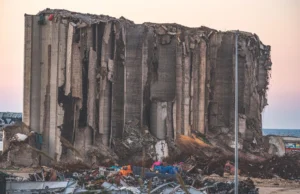
The hollow state: why Lebanon became a country that cannot govern...
Lebanon's constitution has promised since 1990 to abolish the sectarian carve-up of power. The committee meant to do it has never been formed.
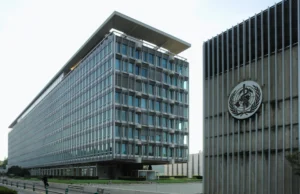
How WHO declares a global emergency — and why the declaration...
WHO declared the Bundibugyo Ebola outbreak a global emergency before its experts met. Why that delivers advice rather than action, two decades of reform later.

The invention of the nation-state: why the world’s default political unit...
The nation-state feels eternal, but pamphlets, schools and conscript armies built it two centuries ago. Now it strains against problems that cross borders.

How a single sentence written in 1602 shaped every stock market...
In August 1602 the Dutch East India Company added one sentence to its share register: shares could be transferred. That sentence created the stock market, and with it short selling, derivatives and the regulators who have been chasing them ever since.

Why certain languages are vanishing in two generations while others nearly...
Papua New Guinea's languages are fading over three generations with no ban, while Hebrew returned after 1,700 years. What parents speak at home decides it.
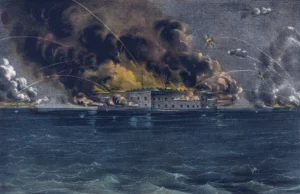
How soil types predicted the outcome of the American Civil War
Eighty million years ago, a shallow sea laid down the chalk of Alabama's Black Belt. Its dark, fertile soil drew cotton, slavery and the Confederacy's wealth — and the same crescent still shows up on today's poverty maps.

How Switzerland stays neutral — the actual legal and military architecture...
Switzerland's neutrality rests on a Great Power guarantee from 1815, an army that makes invasion expensive, and banks every side found useful.

Why bridges get more political the longer they are
From Crimea to the Øresund to the Taiwan Strait, a bridge over contested water stakes a claim, and attacking one attacks that claim.
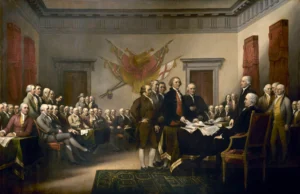
Why some democracies fail in ten years while others last centuries
Between 1950 and 1990, no democracy richer than Argentina in 1975 ever collapsed. Wealth, institutions and unwritten norms explain why some democracies die young and others endure — and Hungary shows how even a rich one can be hollowed out legally.
The last territories with no permanent population — and who is...
No country wants Bir Tawil's desert, yet Japan pours concrete around two rocks the size of a bedroom. The reason is the sea, which a speck of land can command.