Il s’agit d’un article traduit par une machine. La version originale est disponible en anglais.
Dernière mise à jour : · 30 min de lecture
En bref
En juin 2014, des combattants de l’État islamique ont lancé un bulldozer à travers le remblai de terre de la frontière irako-syrienne en proclamant la fin de Sykes-Picot. Ils se trompaient sur l’histoire, mais avaient raison sur le fond. L’accord de 1916 n’a pas tracé les frontières actuelles ; des traités ultérieurs l’ont fait. Mais chacun de ces traités a hérité de sa logique : les grandes puissances découperaient la région à leur convenance. À Sèvres, en 1920, on avait promis aux Kurdes un chemin vers un État. Lausanne, trois ans plus tard, n’emploie jamais le mot « Kurde », et les terres kurdes ont fini réparties entre quatre États.
Sommaire
En juin 2014, des combattants de l’État islamique ont lancé un bulldozer à travers le remblai de terre qui matérialise la frontière entre l’Irak et la Syrie, puis ont fait circuler les images sous le titre « Smashing the Sykes-Picot border » : on y voit l’engin avancer par à-coups tandis que la terre s’éboule en nuages de poussière. Le 29 juin, la branche médiatique anglophone du groupe a enchaîné avec une vidéo intitulée The End of Sykes-Picot, dans laquelle un combattant né au Chili visite un poste-frontière irakien abandonné et commente, dans un anglais teinté d’accent, ce qu’ils sont en train de faire et pourquoi : ils effacent une ligne tracée en 1916 par deux diplomates européens, et l’effacer est, selon la logique de la vidéo, un acte de libération. La vidéo avait la facture d’un clip de recrutement et l’argumentaire d’un cours d’histoire.
Une milice djihadiste, au sommet de son offensive de 2014, a choisi de présenter son expansion territoriale en termes d’histoire diplomatique aussi bien que religieux. Tout en s’emparant de territoires, elle a nommé l’accord précis qu’elle défaisait, un mémorandum franco-britannique vieux de 98 ans, et l’a convoqué comme l’ennemi symbolique de son projet. Quoi que l’État islamique ait été par ailleurs, il avait raison de penser que les accords Sykes-Picot comptaient encore : près d’un siècle plus tard, ils conservaient assez de charge résiduelle pour tenir le rôle d’oppresseur désigné d’un califat autoproclamé.
L’accord qui n’était presque pas la carte
Sykes et Picot parvinrent à un accord en janvier 1916 ; avec l’assentiment de la Russie, celui-ci fut officialisé par un échange de lettres entre les gouvernements français et britannique achevé le 16 mai 1916. Son nom officiel était l’accord sur l’Asie Mineure. Ses négociateurs étaient sir Mark Sykes, député conservateur et voyageur aguerri des territoires ottomans, et François Georges-Picot, diplomate français et ancien consul général à Beyrouth.
Ce qu’ils produisirent était un partage de sphères, non une carte d’États. La France prendrait le contrôle direct de la Syrie côtière, du Liban et d’une portion du sud-est de l’Anatolie, avec une influence indirecte sur un État ou une confédération arabe de l’intérieur syrien s’étendant vers l’est jusqu’à Mossoul. La Grande-Bretagne prendrait le contrôle direct de la basse Mésopotamie, de Bagdad à Bassora, ainsi que des ports de Haïfa et d’Acre, avec une influence indirecte sur la ceinture désertique intermédiaire, en gros l’actuelle Jordanie et l’ouest de l’Irak. La Palestine serait placée sous une forme d’administration internationale. Les deux puissances s’engageaient en outre à n’acquérir aucun territoire dans la péninsule Arabique proprement dite. Les lignes de l’accord ne coïncident avec la carte politique actuelle que par endroits : le Levant côtier attribué à la France est bien devenu la Syrie et le Liban, et la basse Mésopotamie est bien devenue le cœur de l’Irak britannique, mais la plupart des frontières qui comptent aujourd’hui ont été tracées plus tard, et Mossoul, que l’accord attribuait à la France, a finalement échu à l’Irak.
L’essentiel de ce qui passe pour un savoir commun sur Sykes-Picot se trompe sur ce point : les frontières actuelles de l’Irak, de la Syrie, de la Jordanie, du Liban et d’Israël n’ont pas été tracées par Sykes et Picot. Elles sont issues de négociations ultérieures : la conférence de San Remo de 1920, qui répartit les mandats de la Société des Nations ; le traité de Lausanne de 1923, qui régla l’essentiel de la question turque d’après-guerre mais laissa la frontière turco-irakienne à la Société des Nations ; et une série de commissions de délimitation franco-britanniques qui tracèrent les lignes dans le détail. Les universitaires qui critiquent le récit populaire de Sykes-Picot, parmi lesquels David Siddhartha Patel, Steven Cook et Amr T. Leheta, ont raison de le souligner. La carte qui a dépecé le Moyen-Orient n’est pas exactement celle que ces deux hommes ont dessinée.
Mark Sykes lui-même est souvent présenté comme un homme qui ignorait ce qu’il faisait et à qui il le faisait, mais il avait beaucoup voyagé dans les territoires ottomans, publié Through Five Turkish Provinces en 1900 et The Caliph’s Last Heritage en 1915, et possédait de la région une intelligence politique réelle, bien que filtrée par les présupposés de sa classe et de son époque. Georges-Picot avait été consul général à Beyrouth.
Aucun des deux n’avait de comptes à rendre à ceux qui vivraient à l’intérieur des États qui en résulteraient. Ils ne concevaient pas des pays qu’ils auraient à gouverner ou que leurs enfants habiteraient, et la carrière diplomatique d’aucun d’eux ne dépendait du bon fonctionnement de ces pays. Ils partageaient un empire en voie d’effondrement entre deux puissances coloniales, en pleine guerre mondiale. Les intérêts mis en balance étaient français et britanniques. La question de savoir si les populations enfermées dans ces lignes percevraient ces États comme légitimes, et donc si ces États pourraient être gouvernés par le consentement, n’était pas une variable du calcul.
Lorsque les bolcheviks publièrent le texte de l’accord secret à la fin de 1917, la réaction du monde arabe fut une fureur d’un genre particulier : celle d’un peuple qui négociait un accord à certaines conditions et découvrait que l’autre partie en avait conclu un autre, à des conditions entièrement différentes, dans son dos. Cette fureur ne s’est pas entièrement dissipée. La puissance symbolique de l’accord tient en partie à cette trahison, et en partie à quelque chose de plus structurel : le principe qu’il a établi a survécu aux lignes précises qu’il a tracées. Chacun des traités qui ont ensuite délimité ces frontières a hérité, à peu de chose près, de la même logique : la région serait découpée au gré des grandes puissances. Là où une consultation avait été promise, elle fut ignorée ou orchestrée : le Pacte de la Société des Nations disposait que les vœux des anciennes communautés ottomanes devaient être « une considération principale » dans le choix de leur puissance mandataire, et pourtant la conclusion de la commission King-Crane de 1919, selon laquelle la plupart des Syriens rejetaient un mandat français, fut enterrée, et le trône irakien de Fayçal fut soumis à un plébiscite dont la Grande-Bretagne avait déjà décidé l’issue.
La séquence des traités

Le récit populaire fait des accords Sykes-Picot le partage définitif du Moyen-Orient. La séquence réelle est plus compliquée. Les accords Sykes-Picot (1916) posèrent le principe d'un partage franco-britannique et esquissèrent des zones d'influence. La déclaration Balfour (1917) introduisit la question palestinienne. Le traité de Sèvres (1920) tenta d'imposer un règlement post-ottoman comprenant des dispositions sur l'autonomie kurde, et ne fut jamais ratifié par la Turquie. La conférence de San Remo (1920) répartit officiellement les mandats de la Société des Nations : la France reçut la Syrie et le Liban ; la Grande-Bretagne, l'Irak et la Palestine.

Le traité de Lausanne (1923), négocié après la victoire des nationalistes turcs sous Mustafa Kemal, remplaça entièrement celui de Sèvres et fixa toutes les frontières de la Turquie, à l'exception de la frontière avec l'Irak, sans aucune disposition sur l'autonomie kurde. La Société des Nations attribua cette frontière selon la « ligne de Bruxelles » en décembre 1925, décision qu'un traité anglo-turco-irakien confirma en juin 1926. Les commissions de délimitation franco-britanniques tracèrent ensuite les lignes précises. Les frontières qui en résultèrent s'écartent sensiblement du zonage initial de Sykes-Picot, mais chacun des documents ultérieurs s'inscrivait dans le même cadre général de partage imposé de l'extérieur. La plupart des historiens admettent cette continuité, même s'ils débattent de la part qui en revient à Sykes-Picot lui-même plutôt qu'à l'occupation du temps de guerre, au système des mandats et aux tractations de 1918-1926.
Le peuple à qui l’on avait promis un État
C’est dans le cas des Kurdes que le mécanisme fonctionne sous sa forme la plus nette. Ils sont entre 25 et 45 millions selon la fourchette des estimations actuelles (aucun recensement ne les dénombre). Ils forment vraisemblablement le plus grand groupe ethnique sans État au monde, réparti entre la Turquie, l’Irak, la Syrie et l’Iran.
Ils partagent une langue (ou un ensemble de dialectes étroitement apparentés), une culture et un territoire qui porte un nom historique : le Kurdistan. Ils ont une identité nationale, mais pas d’État, et l’on peut faire remonter cette absence, avec une précision documentaire inhabituelle, à une série de décisions diplomatiques bien précises prises entre 1920 et 1923.
Le traité de Sèvres, signé en août 1920, fit aux Kurdes une promesse. Ses articles 62 à 64 prévoyaient l’autonomie kurde dans les territoires à majorité kurde de l’ancien Empire ottoman, l’article 64 précisant que si, dans l’année suivant l’entrée en vigueur du traité, les Kurdes démontraient au Conseil de la Société des Nations qu’une majorité de la population de ces régions souhaitait l’indépendance, et si le Conseil les en jugeait capables et la recommandait, la Turquie renoncerait à ses droits sur elles. « Kurdistan » figurait comme intitulé d’une section d’un grand traité de paix multilatéral, et aucun traité ultérieur réglant le sort de la région ne le reprendrait. Les puissances alliées s’y étaient engagées dans un document signé, avec des articles précis et un calendrier. Le traité n’étant jamais entré en vigueur, ce calendrier ne commença jamais à courir.
Trois ans plus tard, le traité de Lausanne était signé. Le mot « Kurde » n’y figure pas. Les articles 62 à 64 de Sèvres, avec leurs dispositions sur l’autonomie et leur voie vers l’indépendance, furent supprimés sans contrepartie. Ce revirement fut dicté par le rapport de force : le mouvement nationaliste de Mustafa Kemal avait vaincu l’armée grecque soutenue par les Alliés et n’accepterait aucun partage de l’Anatolie ; la Grande-Bretagne, résolue à garder le vilayet pétrolifère de Mossoul dans son mandat irakien, n’avait plus que faire d’un Kurdistan indépendant qui aurait pu le revendiquer ; et la France avait déjà conclu sa propre paix séparée avec Ankara en octobre 1921. Les Kurdes ne disposaient d’aucun levier équivalent. On leur avait promis un État comme sous-produit du partage ottoman ; quand le calcul changea, la promesse fut abandonnée.
Il en résulta un territoire kurde réparti entre quatre États distincts : la Turquie, le mandat français de Syrie, le mandat britannique d’Irak et l’Iran. Chacun d’eux mena ensuite des politiques de répression, d’assimilation ou de négation de l’identité politique kurde, avec des degrés divers de brutalité. Ce qui suivit fut un ensemble de conflits parallèles, tous issus de la même condition structurelle : une population assez nombreuse et assez cohérente pour constituer une nation, divisée entre plusieurs États dont les systèmes politiques avaient été bâtis autour de l’exclusion de cette nationalité du pouvoir.
En Turquie, le PKK (le Parti des travailleurs du Kurdistan, fondé en 1978 et classé organisation terroriste à la fois par les États-Unis et par l’Union européenne) a mené à partir de 1984 une insurrection qui a fait au moins 40 000 morts en quatre décennies. En 2025, à l’appel d’Öcalan, le PKK a annoncé sa dissolution et commencé à détruire ses armes. En août 2026, le Parlement turc a adopté une loi-cadre offrant une amnistie conditionnelle à ses membres ; ces mesures d’amnistie ne s’appliquent qu’une fois que le Conseil de sécurité nationale de la Turquie a confirmé la dissolution et le désarmement du groupe, une vérification toujours en suspens en octobre 2026. L’idéologie fondatrice du PKK était un séparatisme marxiste ; l’abandon ultérieur, par son chef, de l’idée même d’État est abordé plus loin.
En Irak, la négation prit sa forme la plus extrême en 1988. La campagne Anfal de Saddam Hussein, menée entre février et septembre de cette année-là, fut une opération militaire systématique contre les populations kurdes d’Irak, mobilisant forces conventionnelles, armes chimiques et déplacements massifs. Son épisode isolé le plus tristement célèbre fut l’attaque chimique contre Halabja en mars 1988, qui tua en quelques heures entre 3 200 et 5 000 personnes selon les estimations ; elle est largement considérée comme l’attaque à l’arme chimique la plus meurtrière jamais dirigée contre une population civile. Le bilan total de la campagne Anfal est contesté ; Human Rights Watch l’établissait à 50 000 morts selon l’estimation la plus prudente, et peut-être au double. Ce qui n’est pas contesté, c’est qu’elle fut génocidaire dans sa conception comme dans son exécution : un État tentant de résoudre par le massacre un problème démographique que ses propres frontières avaient créé.
En septembre 2017, le gouvernement régional du Kurdistan, dans le nord de l’Irak, organisa un référendum d’indépendance, et plus de 92 % des votants se prononcèrent pour. Le gouvernement central irakien annula le résultat. L’Iran et la Turquie, qui ont toutes deux leurs propres minorités kurdes, soutinrent Bagdad. Les États-Unis, qui avaient passé des années à bâtir une alliance militaire avec les forces kurdes dans la lutte contre l’EI, n’apportèrent aucun soutien au résultat du référendum. En quelques semaines, le GRK perdit Kirkouk, ses champs pétroliers et la quasi-totalité des quelque 23 000 kilomètres carrés de territoires disputés dont il s’était emparé depuis 2003.
Le cas kurde rend le mécanisme visible. Le peuple kurde n’a manqué ni de cohésion ni de volonté pour former un État. Son État fut promis dans un traité et révoqué dans le suivant ; sa terre fut morcelée par quatre frontières par des puissances qui n’avaient aucun intérêt dans l’issue ; et chaque fois qu’il exigea réparation, les États qui le tenaient sous leur coupe répondirent par la répression, par les gaz toxiques en 1988 ou, en 2017, par un vote annulé.
Le confédéralisme d'Öcalan

Abdullah Öcalan, le chef fondateur emprisonné du PKK, a élaboré sa théorie du « confédéralisme démocratique » alors qu'il purgeait une peine de réclusion à perpétuité sur l'île d'İmralı. S'inspirant du concept de « municipalisme libertaire » de l'anarchiste américain Murray Bookchin, Öcalan soutenait que l'État-nation était lui-même le problème, et que la libération kurde exigeait un modèle de gouvernance démocratique, multiethnique et féministe fonctionnant par-delà les frontières existantes plutôt qu'un État kurde. La théorie est, en partie, une réponse à une impasse permanente : lorsque la solution étatique est restée hors d'atteinte assez longtemps, le projet intellectuel se réoriente vers l'idée d'une libération qui s'en passe.

Le Rojava, l'administration autonome à direction kurde du nord de la Syrie établie pendant la guerre civile syrienne, a tenté de mettre en œuvre des éléments de ce modèle, pris en étau entre la pression militaire turque et les calculs stratégiques américains. Après une offensive gouvernementale et un cessez-le-feu en janvier 2026, ses forces et ses institutions ont été intégrées au nouvel État syrien ; en août 2026, ses dirigeants avaient déclaré cette intégration achevée, l'autonomie kurde ne survivant, si tant est qu'elle survive, qu'à l'échelon municipal.
L’État assemblé pour échouer
Le Kurdistan montre ce qui se passe lorsque la cartographie coloniale tranche à travers un groupe national cohérent, lui refusant l’État que sa population et son territoire justifieraient autrement. L’Irak montre l’autre face de la même opération : des groupes qui n’avaient jamais partagé un État, fondus en un seul État qui, depuis, peine à tenir ensemble.
L’Irak moderne a été créé à partir de trois vilayets ottomans. Le vilayet de Mossoul, au nord, était majoritairement kurde, avec d’importantes communautés arabes, turkmènes, chrétiennes et yézidies. Le vilayet de Bagdad, au centre, mêlait Arabes sunnites et chiites et abritait les villes saintes chiites de Kerbala et de Nadjaf. Le vilayet de Bassora, au sud, était à dominante arabe chiite. Bagdad et Bassora étaient depuis longtemps considérées comme une seule région, l’« Irak arabe », et Bagdad exerçait souvent son autorité sur ses voisins, mais Mossoul regardait autant vers le nord et l’ouest que vers le sud, et les trois n’avaient jamais formé un État à part entière. Les historiens débattent encore du degré d’artificialité que cela conférait à l’Irak ; ce qui ne fait pas débat, c’est la manière dont les Britanniques l’ont assemblé. Ils ont fusionné les trois en une seule entité administrative parce que c’était stratégiquement commode : Mossoul pour son pétrole, Bassora pour son accès au golfe Persique, Bagdad comme centre administratif. Il n’existait guère d’identité nationale irakienne à laquelle faire appel, car l’Irak n’avait jamais existé auparavant en tant qu’État indépendant.
L’arithmétique démographique créée par les Britanniques était précaire dès le premier jour. La population musulmane de l’Irak est chiite pour environ trois cinquièmes et sunnite pour un tiers ; les Kurdes représentent entre quinze et vingt pour cent du total. Dans cet ensemble, les Britanniques installèrent une monarchie arabe sunnite en la personne de Fayçal Ier, issu de la famille hachémite du Hedjaz : un homme sans aucun lien préalable avec l’Irak et dont la communauté, les Arabes sunnites, représentait peut-être un cinquième de la population du pays. Le choix était délibéré. Les Britanniques trouvaient plus facile de travailler avec la classe administrative arabe sunnite, et avec Fayçal lui-même, qu’avec le clergé chiite qui dominait le sud. La majorité chiite, dont la marginalisation politique était inscrite dans la structure fondatrice de l’État, ne pesa guère dans le calcul.
Cette arithmétique confessionnelle n’avait rien d’accessoire pour la suite. Tous les gouvernements irakiens, de la monarchie hachémite à la présidence de Saddam Hussein en passant par le coup d’État républicain de 1958 et la prise du pouvoir par le Baas en 1968, furent dominés par les sunnites, gouvernant une majorité chiite et une minorité kurde toutes deux tenues à l’écart des leviers du pouvoir d’État. Maintenir cet arrangement exigeait la force, et la force devint l’instrument fondamental du gouvernement. La composition de l’Irak rendait presque impossible une gouvernance fondée sur le consentement, si bien que l’État convergea vers la coercition comme mode par défaut.
Lorsque l’invasion américaine de 2003 fit disparaître cette architecture coercitive, ce qui émergea fut l’affirmation immédiate de forces comprimées depuis des décennies. La guerre civile confessionnelle de 2006 à 2008, au cours de laquelle quelque 66 000 morts civils furent recensés sur les trois années, n’a pas été causée par la seule invasion. L’invasion, et des décisions de l’occupation telles que la dissolution de l’armée, ont mis au jour une ligne de fracture qui existait depuis 1920. Milices chiites, insurrections sunnites et mouvements autonomistes kurdes étaient tous des réactions de communautés à un État dont la conception fondatrice les avait exclues du pouvoir. Le baasisme, la forme qu’avait prise cette exclusion, avait disparu ; l’arrangement qui avait fait de l’exclusion le prix de l’unité de l’État, lui, demeurait.
La prise de Mossoul par l’État islamique en juin 2014, et la consolidation rapide de son emprise sur le cœur arabe sunnite de l’ouest de l’Irak, obéirent à la même logique. L’EI recruta nombre de ses chefs militaires parmi les officiers de l’armée irakienne dissoute, une institution dont le corps des officiers, dominé par les Arabes sunnites, était passé de l’autorité d’État au chômage par un simple arrêté administratif en mai 2003. Une population sunnite qui avait détenu le pouvoir d’État pendant huit décennies se retrouva gouvernée, après 2003, par un Bagdad dominé par les chiites, et beaucoup vécurent sa nouvelle démocratie comme une revanche confessionnelle. C’est dans cet espace politique que l’EI s’engouffra avec une offre : un État sunnite, pour les sunnites, sur un territoire que les sunnites avaient historiquement administré. L’histoire même de l’Irak explique pourquoi cette offre séduisait.
La question de Mossoul

L'inclusion du vilayet de Mossoul dans le mandat britannique, plutôt que dans la Turquie, dans un État kurde distinct ou sous influence française, n'était pas un accident géographique. Mossoul était disputée : la Turquie la revendiquait ; les Kurdes y vivaient ; Sykes-Picot l'avait placée dans la sphère française. La Grande-Bretagne trancha en sa propre faveur, principalement parce que les intérêts pétroliers britanniques avaient jugé les réserves de la région de Mossoul stratégiquement importantes. Clemenceau céda Mossoul à la fin de la guerre en échange d'une part de son pétrole, fixée à 25 % en 1920 ; la conférence de San Remo, la même année, la confirma dans le mandat britannique, et la Société des Nations l'attribua à l'Irak en décembre 1925, décision que la Turquie accepta par traité en juin 1926.

La Turkish Petroleum Company, rebaptisée Iraq Petroleum Company en 1929, était alors détenue à parts égales, d'un peu moins d'un quart chacune, par des groupes britannique, anglo-néerlandais, français et américain, 5 % revenant à l'intermédiaire Calouste Gulbenkian. Ces proportions reflétaient le règlement géopolitique plutôt qu'une quelconque préférence locale. La frontière qui enfermait Mossoul dans l'Irak était, entre autres choses, la limite d'un champ pétrolier.
Le Liban, ou ce qui arrive quand on inscrit le confessionnalisme dans l’État
Le Kurdistan est le cas du partage ; l’Irak, celui de l’assemblage forcé. Au Liban, le mécanisme a opéré d’une troisième manière, en inscrivant la division confessionnelle dans l’architecture même de l’État. Il en résulte un système politique conçu pour reproduire indéfiniment les divisions dont il a hérité, incapable de les dépasser parce que toute sa structure repose sur leur maintien.
Le Grand Liban fut proclamé par la France le 1er septembre 1920, par l’agrandissement de l’ancienne province ottomane du Mont-Liban, majoritairement chrétienne maronite, afin d’y intégrer Beyrouth, Saïda, Tyr, Tripoli et la plaine de la Bekaa, des populations majoritairement musulmanes qui, dans bien des cas, préféraient l’union avec la Syrie. La France agit à la demande des maronites et contre l’opposition explicite des communautés musulmanes. Cet agrandissement créa un État dont l’équilibre démographique fut contesté dès l’instant de sa création.
L’arrangement de gouvernement qui en sortit fut le Pacte national de 1943, un accord non écrit, antérieur à l’indépendance, entre dirigeants politiques chrétiens et musulmans, qui répartissait les hautes fonctions de l’État selon l’appartenance confessionnelle : le président serait chrétien maronite, le Premier ministre musulman sunnite, le président du Parlement musulman chiite. Les sièges parlementaires seraient répartis selon un ratio de six chrétiens pour cinq musulmans. Cette arithmétique découlait d’une source unique : le recensement de 1932, mené sous le mandat français. Ce recensement faisait apparaître une courte majorité chrétienne : environ la moitié des résidents, et plutôt trois cinquièmes une fois comptés les émigrés, en grande partie chrétiens, inscrits sur ses registres. Il reste le dernier recensement officiel du Liban et n’a jamais été actualisé. En 2026, le système confessionnel libanais repose sur un instantané démographique vieux de quatre-vingt-quatorze ans.
Si aucun recensement n’a eu lieu depuis, c’est par calcul politique, un calcul mené simultanément par tous les acteurs politiques du Liban. Chaque grande communauté religieuse sait, avec une assurance raisonnable, qu’un nouveau recensement ferait apparaître une majorité musulmane, probablement nette, qui justifierait une redistribution du pouvoir politique. Aucun bloc chrétien ne veut de cette redistribution, aucun bloc musulman ne veut de l’instabilité qu’il faudrait traverser pour y parvenir, et personne ne commande donc le recensement. Le système politique bâti sur les chiffres de 1932 a engendré les incitations nécessaires pour que les chiffres de 1932 restent en place.
La guerre civile libanaise, qui dura de 1975 à 1990 et fit entre 120 000 et 150 000 morts selon les estimations, ne fut pas causée uniquement par le décalage démographique du système confessionnel. La présence armée palestinienne au Liban, les interventions syrienne et israélienne et la recomposition régionale de l’identité politique chiite sous l’influence iranienne y contribuèrent toutes. Mais le système confessionnel ne pouvait ni intégrer le changement démographique ni offrir une expression politique légitime à des communautés dont la part de pouvoir reposait sur un recensement de 1932, et cette incapacité structurelle fut la condition que les multiples pressions de la guerre mirent à nu et exploitèrent. Un système politique doté d’un mécanisme fonctionnel de redistribution du pouvoir en fonction de l’évolution démographique n’aurait pas été invulnérable à la guerre civile, mais il aurait disposé d’une soupape de sûreté, dont le Liban était dépourvu.
L’accord de Taëf de 1989, qui mit fin à la guerre civile, modifia les ratios confessionnels en instaurant la parité des sièges parlementaires entre chrétiens et musulmans, mais n’abolit pas le système. La répartition confessionnelle des trois postes les plus élevés survécut intacte. Ces conventions sont toujours en vigueur en 2026 : le président Joseph Aoun est maronite, le Premier ministre Nawaf Salam sunnite, le président du Parlement Nabih Berri chiite. Aucune d’elles n’est inscrite dans la Constitution, qui, depuis Taëf, fait de l’abolition du confessionnalisme politique un « objectif national fondamental ». Le marché non écrit de 1943, conclu dans les dernières années d’un mandat français qui avait favorisé la prédominance maronite, a pourtant survécu à toutes les tentatives de le mettre à la retraite, dans un pays dont la composition démographique a changé au point d’être méconnaissable.
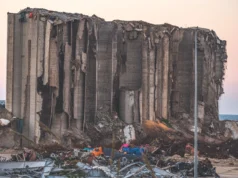
L’explosion d’août 2020 au port de Beyrouth a tué au moins 218 personnes et en a déplacé plus de 300 000. Elle a été causée par du nitrate d’ammonium stocké dans des conditions dangereuses pendant six ans, une défaillance dont aucun acteur politique n’a encore été contraint de répondre. Le nitrate d’ammonium avait été signalé par des responsables portuaires, par les autorités douanières et par des ministres. Rien ne fut fait, parce que le système confessionnel avait dilué la responsabilité entre tant de fiefs institutionnels concurrents qu’aucun acteur ne disposait d’une autorité suffisante pour imposer une décision de sécurité à une installation qui relevait, nominalement, de la compétence de tous et donc, en pratique, de celle de personne. Six ans plus tard, le juge d’instruction a inculpé plus de 70 responsables et employés, mais, après des années d’obstruction politique, aucun acte d’accusation n’avait encore été rendu en octobre 2026. L’explosion a eu lieu, en grande partie, à cause du système confessionnel.
Le Hezbollah et le déficit chiite

Le système confessionnel libanais a attribué la présidence du Parlement, le troisième des trois plus hauts postes de l'État, à la communauté chiite, et Nabih Berri en a fait un centre de pouvoir depuis 1992. Les chiites étaient pourtant, historiquement, la plus pauvre et la moins organisée politiquement des grandes communautés du Liban. Lorsque le projet révolutionnaire iranien chercha un partenaire libanais, il trouva une communauté systématiquement privée de moyens par le système politique même qui était censé, en théorie, la représenter. Le Hezbollah émergea dans les années 1980 non seulement comme un mouvement de résistance à l'occupation israélienne du Liban-Sud, mais aussi comme un fournisseur de services sociaux, gérant écoles, hôpitaux et réseaux d'aide sociale et comblant le vide que l'État libanais avait créé en attribuant des postes politiques à la représentation chiite sans attribuer les ressources qui auraient pu donner un sens à cette représentation.

Le Hezbollah est autant le produit des défaillances structurelles du système confessionnel que celui des intérêts stratégiques iraniens. En mars 2026, cette double identité a de nouveau entraîné le Liban dans la guerre : après que le guide suprême iranien eut été tué dans des frappes américano-israéliennes, le Hezbollah a attaqué Israël, et à la fin juin plus de 4 000 personnes avaient été tuées au Liban et plus de 1,2 million déplacées.

Le Parlement a reporté de deux ans les élections de mai 2026, et un cadre négocié sous l'égide des États-Unis, signé en juin, lie le redéploiement progressif d'Israël hors du Sud au désarmement vérifié du Hezbollah. Le Hezbollah, qui n'était pas partie à l'accord, l'a rejeté, et sa mise en œuvre faisait encore l'objet de négociations en octobre 2026.L’objection révisionniste, et pourquoi elle ne nous sauve pas
L’objection la plus sérieuse à l’ensemble de cet argument est la thèse révisionniste, formulée avec le plus de soin par Patel, Cook, Leheta et Ali Murat Kurşun. Elle mérite une réponse, et elle se résume à peu près ainsi.
Premièrement, les frontières précises du Moyen-Orient moderne ne correspondent pas étroitement à ce que Sykes et Picot ont tracé, si bien qu’attribuer ces frontières à l’accord est historiquement inexact. Deuxièmement, les conflits du Moyen-Orient relèvent avant tout de la gouvernance autoritaire et des crises de légitimité, et non des frontières en tant que telles, et l’explication cartographique déplace la responsabilité politique des dirigeants vers les cartes. Troisièmement, imputer les conflits contemporains à un accord de 1916 relève d’un déterminisme qui efface un siècle d’initiative régionale : les États arabes, les mouvements kurdes et les acteurs politiques irakiens ont eu des choix, et ces choix ont compté.
Les trois arguments ont du poids, mais pas au même degré. Le premier a déjà été concédé ici : les lignes précises de Sykes-Picot ont été dépassées.
L’argument porte sur le principe que ces lignes incarnaient : que la région serait partagée par des puissances extérieures, le consentement local n’étant recherché, si tant est qu’il le fût, que pour la forme, et que chaque traité ultérieur s’est inscrit dans le cadre de ce principe.
Le deuxième argument ne vaut qu’en partie. La gouvernance autoritaire est à l’évidence la cause immédiate des souffrances les plus aiguës de la région : la décision de Saddam Hussein de gazer les Kurdes, celle de la dynastie Assad de bombarder ses propres villes, l’incapacité de la classe politique libanaise, pendant six ans, à retirer le nitrate d’ammonium saisi d’un entrepôt jouxtant les quartiers résidentiels de Beyrouth. C’étaient des choix, faits par des personnes précises qui portent une responsabilité précise. L’argument structurel laisse toute sa place à cette action humaine. Il affirme que les structures étatiques assemblées sans fondement consensuel tendent, sous la pression, vers des solutions autoritaires, parce que la coercition devient le seul moyen de les maintenir ensemble. La gouvernance de l’Irak par la minorité sunnite était la réponse prévisible à un État qui ne pouvait être tenu par des moyens démocratiques, et, dans l’ensemble, l’autoritarisme de la région est né de ces conditions structurelles.
Le troisième argument ne vaut lui aussi qu’en partie, et c’est lui qui appelle la résistance la plus ferme. Le cas kurde montre ce que l’initiative régionale peut faire, et ne peut pas faire, face à une telle structure. Les acteurs politiques kurdes ont disposé d’un siècle d’initiative. Ce siècle a produit la rébellion de cheikh Saïd en Turquie (1925), les révoltes de Simko Shikak en Iran (1918-1922, brièvement ravivées en 1926), le massacre de Dersim en Turquie (1937-1938), la république de Mahabad en Iran (1946), quatre décennies d’insurrection du PKK en Turquie, le génocide de l’Anfal, les dispositions de la Constitution irakienne de 2005 sur l’autonomie kurde, et un référendum d’indépendance, en 2017, approuvé par quatre-vingt-douze pour cent des votants puis annulé en quelques semaines. La structure s’est révélée plus durable que l’initiative déployée contre elle, parce qu’elle avait été construite pour contenir les Kurdes.
Ce que la critique révisionniste établit, c’est que l’argument défendu ici doit porter sur une catégorie d’actes plutôt que sur un accord particulier. L’imposition cartographique coloniale, c’est-à-dire des frontières tracées par des puissances extérieures par commodité administrative, sans avoir à répondre de la gouvernabilité ni du consentement, crée des conditions structurelles d’où émergent de manière fiable des modes de défaillance précis et prévisibles. Sykes-Picot désigne un cas de cette catégorie, et le Moyen-Orient en est l’exemple le plus lisible, mais pas le seul.
Pas seulement le Moyen-Orient : le schéma
L’une des démonstrations les plus claires du mécanisme hors du Moyen-Orient est le Cachemire, même si le conflit lui-même a été déclenché par la partition de 1947. L’entité que la partition a déchirée avait été assemblée un siècle plus tôt.
En mars 1846, la Compagnie britannique des Indes orientales conclut le traité d’Amritsar avec Gulab Singh, souverain hindou dogra du Jammu. Aux termes du traité, les Britanniques vendirent la vallée du Cachemire et les territoires environnants, une région à majorité musulmane, à un souverain hindou dont la religion différait de celle de la plupart de ses nouveaux sujets. Le prix était de 7,5 millions de roupies nanakshahee. La vente rattacha la vallée du Cachemire, majoritairement musulmane, aux territoires religieusement mixtes de Gulab Singh au Jammu ; avec le Ladakh bouddhiste et le Gilgit musulman, passés sous domination dogra en dehors du traité, il en résulta une entité composite conçue pour la commodité administrative et la clarté des frontières, non pour le consentement des gouvernés ni pour la cohérence de leur identité politique.
Le mécanisme diffère ici légèrement, dans sa forme, de ceux de l’Irak ou du Liban : il s’agissait d’une vente coloniale à un souverain local plutôt que d’une administration mandataire directe. Mais le résultat structurel était de même nature. Une frontière fut tracée pour des raisons financières et administratives à travers des populations aux identités religieuses divergentes, sans aucun mécanisme de consentement et sans se demander si l’unité qui en résultait pourrait soutenir une gouvernance légitime. Lorsque les Britanniques partirent en 1947 et que la partition de l’Inde fut négociée, le maharaja hindou d’un État à majorité musulmane choisit de rattacher son État à l’Inde, après une hésitation initiale et après l’entrée de forces irrégulières pakistanaises sur son territoire. L’ambiguïté qui en découla a produit trois guerres entre l’Inde et le Pakistan pour le Cachemire (1947, 1965, 1999), une quatrième guerre en 1971 pour le Pakistan oriental et une ligne de contrôle, fixée en 1972, qui coupe en deux l’ancien État princier. En 2026, le différend oppose deux puissances nucléaires qui ont échangé des frappes pas plus tard qu’en mai 2025.
L’autre grande illustration du schéma est plus difficile à retracer, mais d’une ampleur plus vaste. La conférence de Berlin de 1884-1885 fixa les règles du partage européen de l’Afrique sans qu’aucun Africain ne siège à la table ; les lignes elles-mêmes furent pour l’essentiel tracées par des traités bilatéraux au cours des décennies suivantes. Ce processus sépara plus de 200 groupes ethniques entre plusieurs États, divisa des royaumes et des réseaux commerciaux, et contraignit des rivaux historiques à cohabiter dans des unités administratives uniques. L’État indépendant du Congo du roi Léopold II, reconnu à Berlin et devenu plus tard le Congo belge, enferma cette diversité dans un cadre colonial unique ; l’indépendance de 1960 fut suivie presque immédiatement par la crise de la sécession du Katanga. La deuxième guerre du Congo, de 1998 à 2003, entraîna des États de tout le continent africain et refléta des lignes de fracture ethniques et politiques remontant au dépeçage colonial. Elle déclencha aussi un effondrement humanitaire qui, selon les estimations de l’International Rescue Committee, causa 5,4 millions de décès excédentaires entre 1998 et 2007, même si les critiques de sa méthode d’enquête avancent un chiffre bien inférieur. D’après les chiffres de l’IRC, cette guerre est le conflit le plus meurtrier sur terre depuis la Seconde Guerre mondiale. La controverse sur ce chiffre reflète la difficulté de compter les morts sur d’immenses territoires sans administration effective, parmi des populations qui ne meurent pas seulement directement de la violence, mais aussi des maladies et des déplacements qu’elle provoque.
La comparaison entre ces cas et le Moyen-Orient ne tient pas en tout point. Toutes les frontières postcoloniales n’ont pas produit de conflits violents durables. Là où la violence est survenue, les frontières étaient rarement toute l’histoire : le Rwanda et le Burundi, dont les frontières coloniales enfermaient des populations hutu et tutsi d’une manière que la politique belge exacerba délibérément, ont sombré dans la violence de masse à la suite de choix politiques postérieurs à l’indépendance que les frontières, à elles seules, ne prédéterminaient pas. Singapour fut séparée de la Malaisie en 1965 dans un contexte de tensions communautaires et devint l’un des États les plus stables et les plus prospères du monde. L’acte cartographique colonial ne garantit pas l’échec. C’est un facteur de risque structurel important, qui ferme certaines options de gouvernance fondée sur le consentement et laisse un État dépendant de la qualité et de l’honnêteté des institutions politiques bâties en son sein.
Lorsque des États sont assemblés par des puissances extérieures par commodité administrative, sans consentement et sans avoir à répondre de la possibilité de les gouverner, les exclus sont réprimés, l’État gouverne par la coercition et le conflit revient parce que sa cause est toujours là. Le Moyen-Orient rend ce schéma lisible parce que la documentation y est d’une complétude inhabituelle : il y a des noms, une date, une carte, et la trahison précise d’une promesse précise. Le dossier du Cachemire comporte une date, une transaction et un prix de vente ; celui du Congo commence par une conférence où aucun Africain n’avait voix au chapitre.
Le choix des États africains

Lors de sa première conférence des chefs d'État et de gouvernement africains, au Caire en 1964, l'Organisation de l'unité africaine adopta la résolution AHG/Res. 16(I), qui consacrait le principe de l'uti possidetis juris, l'obligation de respecter les frontières coloniales héritées comme fondement de la souveraineté postindépendance. Cette résolution était un choix délibéré des États africains de conserver des frontières qu'ils savaient arbitraires, parce que les redessiner selon des lignes ethniques était jugé plus dangereux.

L'expérience yougoslave d'après 1991, faite de révisions frontalières à motivation ethnique, avec ses multiples guerres et quelque 140 000 morts, montre ce que l'autre option pouvait coûter. La résolution de l'OUA traduit un jugement : les frontières ne sont qu'une partie du problème, et l'absence d'institutions politiques capables de gérer l'hétérogénéité qu'elles renferment en est une autre.
Pourquoi cela ne finit pas
En juin 2014, l’EI a lancé un bulldozer à travers un remblai et a appelé cela la fin d’une frontière. En moins de trois ans, la brèche avait été colmatée et les militants chassés du côté irakien ; en janvier 2025, l’Irak avait construit 400 kilomètres de mur en béton le long de la frontière.
L’acte cartographique colonial produit des conflits, et il produit aussi un piège structurel dans lequel chaque remède disponible cause aussi du tort, et dans lequel les incitations engendrées par l’imposition initiale concourent de manière fiable à la perpétuer. Le califat de l’EI avait correctement nommé ce qui avait été fait aux populations sunnites de l’ouest de l’Irak et de l’est de la Syrie : elles avaient été structurellement exclues du pouvoir dans des États assemblés sans leur consentement. Il tenta ensuite d’y remédier en établissant un État sunnite, ce qui exigeait de s’emparer du territoire de Kurdes, de chiites, de Yézidis et de chrétiens qui y vivaient déjà eux aussi. Le crime cartographique originel avait produit une situation où chaque correction plausible était aussi une dépossession. Chaque groupe porteur d’un grief légitime à l’égard des frontières occupait aussi le territoire que toute révision prendrait à quelqu’un d’autre.
C’est la principale raison pour laquelle les impositions cartographiques coloniales sont si durables. Elles créent une structure dans laquelle l’injustice ne peut être corrigée sans commettre de nouvelles injustices, parce que les communautés déplacées et divisées par les frontières originelles ont passé un siècle à construire des vies, des États et des identités dans les termes de ces frontières.
Le Liban montre à quoi cela ressemble sous sa forme la plus institutionnalisée. Le système confessionnel ne peut être réformé par des moyens démocratiques, parce que tout responsable politique cherchant à l’abolir doit d’abord conquérir le pouvoir dans ce système, et que conquérir le pouvoir dans ce système exige de le défendre. La coalition nécessaire à son démantèlement ne peut être réunie que par des acteurs qui en dépendent pour leur pouvoir.
L’architecture juridique internationale est parvenue à la même conclusion par un raisonnement différent. Les dispositions de la Charte des Nations unies sur l’intégrité territoriale et la résolution de l’OUA sur l’uti possidetis existent parce que permettre que les frontières soient révisées en réponse à des griefs légitimes produit au moins autant de violence que le maintien de frontières injustes. Le redécoupage des frontières balkaniques après la Yougoslavie s’est fait au prix d’environ 140 000 vies et a produit un ensemble d’États dont les relations mutuelles ne sont toujours pas réglées en 2026.
Les États qui sont parvenus à quelque chose qui ressemble à la stabilité à l’intérieur de ces frontières y sont arrivés en bâtissant des institutions de gouvernance capables de gérer le problème structurel originel plutôt que de le résoudre : partage du pouvoir, structures fédérales, cadres de protection des droits des minorités, incitations économiques à la coopération intercommunautaire. Les diplomates de 1916 ne se sont jamais fixé cette tâche, parce qu’ils n’ont jamais eu à répondre de la viabilité des structures qu’ils concevaient.
Coda
Revenons au recensement libanais de 1932. Il reste le dernier dénombrement officiel du pays, un document produit sous l’autorité du mandat français, qui montre une courte majorité chrétienne dans un pays qui n’en compte plus, selon toute estimation démographique raisonnable.
Tous les gouvernements libanais depuis l’indépendance le savent, et aucun n’a ordonné de nouveau recensement. Le document n’a rien de secret, et son obsolescence n’est pas dissimulée. Tous les partis le laissent en l’état, parce que le mettre à jour exigerait de démanteler le système bâti sur lui, et que personne à l’intérieur de ce système n’a intérêt à son démantèlement.
Un recensement n’a rien du spectacle d’un bulldozer éventrant un remblai frontalier ni d’une vidéo de propagande commentée en anglais pour une consommation mondiale. Le recensement de 1932 perdure parce que le système politique conçu autour de lui a engendré toutes les incitations nécessaires à son maintien. Ces incitations tiendront jusqu’à ce que quelque chose d’extérieur brise la boucle, ce qui risque de se faire attendre, car les forces extérieures les plus susceptibles de la briser agiraient au nom de leurs propres intérêts.
La vidéo et le recensement sont les deux visages d’un même piège. Le califat a nommé un crime et y a répondu par un autre ; le recensement ne nomme rien, et il reste en vigueur parce que toutes les autres options paraissent pires à ceux qui dirigent le système bâti sur lui, dont aucun n’a de comptes à rendre à la population que ce dénombrement ne décrit plus.
Articles connexes
- La doctrine de la zone tampon : comment les occupations militaires temporaires deviennent permanentes
- Pourquoi les fleuves font de mauvaises frontières — et pourquoi on continue d’y recourir
- Ces pays qui ont choisi démocratiquement l’autocratie
Pour aller plus loin
En tant que Partenaire Amazon, Eikleaf réalise un bénéfice sur les achats remplissant les conditions requises. Les liens vers les livres ci-dessous sont des liens affiliés : si vous achetez par leur intermédiaire, nous pouvons percevoir une petite commission, sans frais supplémentaires pour vous.
 A Peace to End All Peace: The Fall of the Ottoman Empire and the Creation of the Modern Middle EastLe récit classique du partage des terres ottomanes par les Alliés entre 1914 et 1922.
 The Fall of the Ottomans: The Great War in the Middle EastLa guerre vue du côté ottoman et arabe, qui explique les promesses et les trahisons derrière les frontières d’après-guerre.
Vidéos recommandées
 2:21L’info en dessin : il y a 100 ans, les accords Sykes-Picot redessinaient le Moyen-OrientRappel illustré de l’accord Sykes-Picot de 1916 et de la manière dont il a pesé sur la carte du Moyen-Orient.
 10:23Dividing Up The Middle East – The Sykes-Picot Agreement I THE GREAT WAR Week 92La chaîne The Great War sur ce que Sykes et Picot ont réellement convenu en 1916, replacé semaine par semaine dans son contexte.
 22:04Why the Sykes‑Picot Agreement Still Matters: World War I, Colonial Borders, and Lasting ConflictExplication de DW sur les raisons pour lesquelles l’accord pèse encore sur les conflits de la région.
Citer cet article
Ulfur Atli. “Les accords Sykes-Picot : comment un partage planifié en 1916 façonne encore les guerres d’aujourd’hui.” Eikleaf, 27 avril 2026, mis à jour 25 octobre 2026. https://www.eikleaf.com/fr/sykes-picot-agreement-how-a-border-drawn-in-1916-is-still-causing-wars-today/
Avertissement relatif à l’IA générative
Certains contenus de cette page ont été générés et/ou édités avec l’aide d’une IA générative.
Médias
Principales sources et références
Al Jazeera. « Syrian government, Kurdish-led SDF agree on ceasefire. » 18 January 2026. https://www.aljazeera.com/news/2026/1/18/syrian-army-advances-on-sdf-stronghold-of-raqqa-whats-the-latest
Al Jazeera. « Israel-Lebanon deal ties ceasefire to Hezbollah disarmament: Will it work? » 27 June 2026. https://www.aljazeera.com/features/2026/6/27/israel-lebanon-deal-ties-ceasefire-to-hezbollah-disarmament-will-it-work
Al Jazeera. « Timeline: Lebanon. » 4 June 2009. https://www.aljazeera.com/news/2009/6/4/timeline-lebanon
Al-Monitor. « Turkey’s Kurdish peace process moves to implementation: What to know and what’s next. » August 2026. https://www.al-monitor.com/originals/2026/08/turkeys-kurdish-peace-process-moves-implementation-what-know-and-whats-next
Anadolu Agency. « Beirut port blast case nears indictment, trial after 6 years. » 21 September 2026. https://aa.com.tr/en/middle-east/beirut-port-blast-case-nears-indictment-trial-after-6-years/4062929
Coalition Provisional Authority. Order No. 2: Dissolution of Entities. 23 May 2003. https://www.esd.whs.mil/Portals/54/Documents/FOID/Reading%20Room/International_Security_Affairs/06-F-2692_CPA_Order_2_Dissolution_of_Entities.pdf
Constitute Project. Lebanon’s Constitution of 1926 with Amendments through 2004. https://www.constituteproject.org/constitution/Lebanon_2004
Cook, Steven A., and Amr T. Leheta. « Don’t Blame Sykes-Picot for the Middle East’s Mess. » Foreign Policy, 13 May 2016. Reposted by the Council on Foreign Relations. https://www.cfr.org/blog/dont-blame-sykes-picot-middle-easts-mess
Council on Foreign Relations. « Conflict Between India and Pakistan. » Global Conflict Tracker. https://www.cfr.org/global-conflict-tracker/conflict/conflict-between-india-and-pakistan
Council on Foreign Relations. « The Kurds’ Long Struggle With Statelessness. » Timeline. https://www.cfr.org/timeline/kurds-long-struggle-statelessness
Covenant of the League of Nations, Article 22. Yale Law School Avalon Project. https://avalon.law.yale.edu/20th_century/leagcov.asp
Dodge, Toby. « The Danger of Analogical Myths: Explaining the Power and Consequences of the Sykes-Picot Delusion. » AJIL Unbound 110 (2016). https://www.cambridge.org/core/journals/american-journal-of-international-law/article/danger-of-analogical-myths-explaining-the-power-and-consequences-of-the-sykespicot-delusion/86C60DA4127D96822D1B5D397CDEACBF
Human Rights Watch. Genocide in Iraq: The Anfal Campaign Against the Kurds. New York: Human Rights Watch, 1993. https://www.hrw.org/reports/1993/iraqanfal/
Human Rights Watch. « They Killed Us From the Inside »: An Investigation into the August 4 Beirut Blast. August 2021. https://www.hrw.org/report/2021/08/03/they-killed-us-inside/investigation-august-4-beirut-blast
International Center for Transitional Justice. « The Former Yugoslavia. » https://www.ictj.org/where-we-work/former-yugoslavia
International Center for Transitional Justice. « The PKK Kurdish Militant Group Will Disarm and Disband as Part of Peace Initiative with Turkey. » May 2025. https://www.ictj.org/latest-news/pkk-kurdish-militant-group-will-disarm-and-disband-part-peace-initiative-turkey
International Rescue Committee. Mortality in the Democratic Republic of Congo: An Ongoing Crisis. New York: IRC, 2008. https://www.rescue.org/report/mortality-democratic-republic-congo-ongoing-crisis
Institut kurde de Paris (AFP). « Iraqi army retakes almost all disputed areas from Kurds. » 18 October 2017. https://www.institutkurde.org/en/info/latest/iraqi-army-retakes-almost-all-disputed-areas-from-kurds-7418/
Iraq Body Count. Database of documented civilian deaths. https://www.iraqbodycount.org/database/
Iraq Oil Report. « Iraqi forces have taken back vital conduit from Islamic State. » 19 June 2017. https://www.iraqoilreport.com/daily-brief/iraqi-forces-taken-back-vital-conduit-islamic-state-questions-remain-23570/
Kurdistan Regional Government — United States. « Halabja: The Chemical Attack That Shook the World. » https://us.gov.krd/halabja-the-chemical-attack-that-shook-the-world/
Kurşun, Ali Murat. « Deconstructing the Sykes-Picot Myth: Frontiers, Boundaries, Borders and the Evolution of Ottoman Territoriality. » All Azimuth: A Journal of Foreign Policy and Peace 9, no. 1 (2020): 83–104. https://doi.org/10.20991/allazimuth.541258
Les clés du Moyen-Orient. « Mossoul. » https://www.lesclesdumoyenorient.com/Mossoul.html
Long War Journal. « ISIS announces formation of caliphate, rebrands as ‘Islamic State’. » 29 June 2014. https://www.longwarjournal.org/archives/2014/06/isis_announces_formation_of_ca.php
Michalopoulos, Stelios, and Elias Papaioannou. « The Long-Run Effects of the Scramble for Africa. » NBER Working Paper 17620. https://www.nber.org/system/files/working_papers/w17620/w17620.pdf
Miller, James. « Why Islamic State Militants Care So Much About Sykes-Picot. » Radio Free Europe / Radio Liberty, 16 May 2016. https://www.rferl.org/a/why-islamic-state-cares-so-much-about-sykes-picot/27738467.html
Oberlin College Library. « Restoring Lost Voices of Self-Determination: The King-Crane Commission. » https://www2.oberlin.edu/library/digital/king-crane/intro.html
OPCW. « Commemoration of the 1988 Halabja Chemical Weapons Attack. » OPCW News, March 2025. https://www.opcw.org/media-centre/news/2025/03/commemoration-1988-halabja-chemical-weapons-attack
Organisation of African Unity. Resolution AHG/Res. 16(I): Border Disputes among African States. First Conference of African Heads of State and Government, Cairo, 17–21 July 1964. https://archives.au.int/handle/123456789/1092
Patel, David Siddhartha. « Repartitioning the Sykes-Picot Middle East? Debunking Three Myths. » Crown Center for Middle East Studies, Brandeis University, Middle East Brief No. 103, November 2016. https://www.brandeis.edu/crown/publications/middle-east-briefs/pdfs/101-200/meb103.pdf
Ruthven, Malise. « The Map ISIS Hates. » New York Review of Books, 25 June 2014. https://www.nybooks.com/online/2014/06/25/map-isis-hates/
Sykes, Mark. The Caliph’s Last Heritage: A Short History of the Turkish Empire. London: Macmillan, 1915.
Sykes, Mark. Through Five Turkish Provinces. London: Bickers & Son, 1900. https://find.library.upenn.edu/catalog/995356513503681
The National. « PKK withdraws from Turkish border area in Iraqi Kurdistan. » 12 October 2026. https://www.thenationalnews.com/news/mena/2026/10/12/pkk-withdraws-from-turkish-border-area-in-iraqi-kurdistan/
The National. « SDF integration into Syrian state marks milestone but key tensions unresolved, experts say. » 21 August 2026. https://www.thenationalnews.com/news/mena/2026/08/21/sdf-integration-into-syrian-state-marks-milestone-but-key-tensions-unresolved-experts-say/
The Nation. « In Lebanon, a Census Is Too Dangerous to Implement. » 2019. https://www.thenation.com/article/archive/lebanon-census/
The New Arab. « Iraq completes 400 km security border wall with Syria. » 9 January 2025. https://www.newarab.com/news/iraq-completes-400-km-security-border-wall-syria
The New Arab. « Lebanon postpones parliamentary elections by two years. » 9 March 2026. https://www.newarab.com/news/lebanon-postpones-parliamentary-elections-two-years
The New Arab. « Lebanon-Israel talks to resume in Florida on 20 October: sources. » October 2026. https://www.newarab.com/news/lebanon-israel-talks-resume-florida-20-october-sources
Treaty of Amritsar, 16 March 1846. In C.U. Aitchison, A Collection of Treaties, Engagements and Sanads, vol. XI, p. 264. Calcutta: Superintendent Government Printing, 1909. Text: https://www.ikashmir.net/historicaldocuments/treatyofamritsar.html
Treaty of Lausanne, 24 July 1923. League of Nations Treaty Series, vol. 28. Text: WWI Document Archive. https://wwi.lib.byu.edu/index.php/Treaty_of_Lausanne
Treaty of Peace with Turkey, signed at Sèvres, 10 August 1920. Treaty Series No. 11 (1920). London: HMSO. https://ia800800.us.archive.org/16/items/TS00113/TS0011_text.pdf
United Nations Assistance Mission for Iraq. Human Rights Report: 1 November – 31 December 2006. UNAMI, 2007. Summarised in UN News, « Over 34,000 civilians killed in Iraq in 2006, » 16 January 2007. https://news.un.org/en/story/2007/01/205862
US Office of the Historian. « The 1928 Red Line Agreement. » https://history.state.gov/milestones/1921-1936/red-line
Yale Law School Avalon Project. « The Sykes-Picot Agreement: 1916. » https://avalon.law.yale.edu/20th_century/sykes.asp